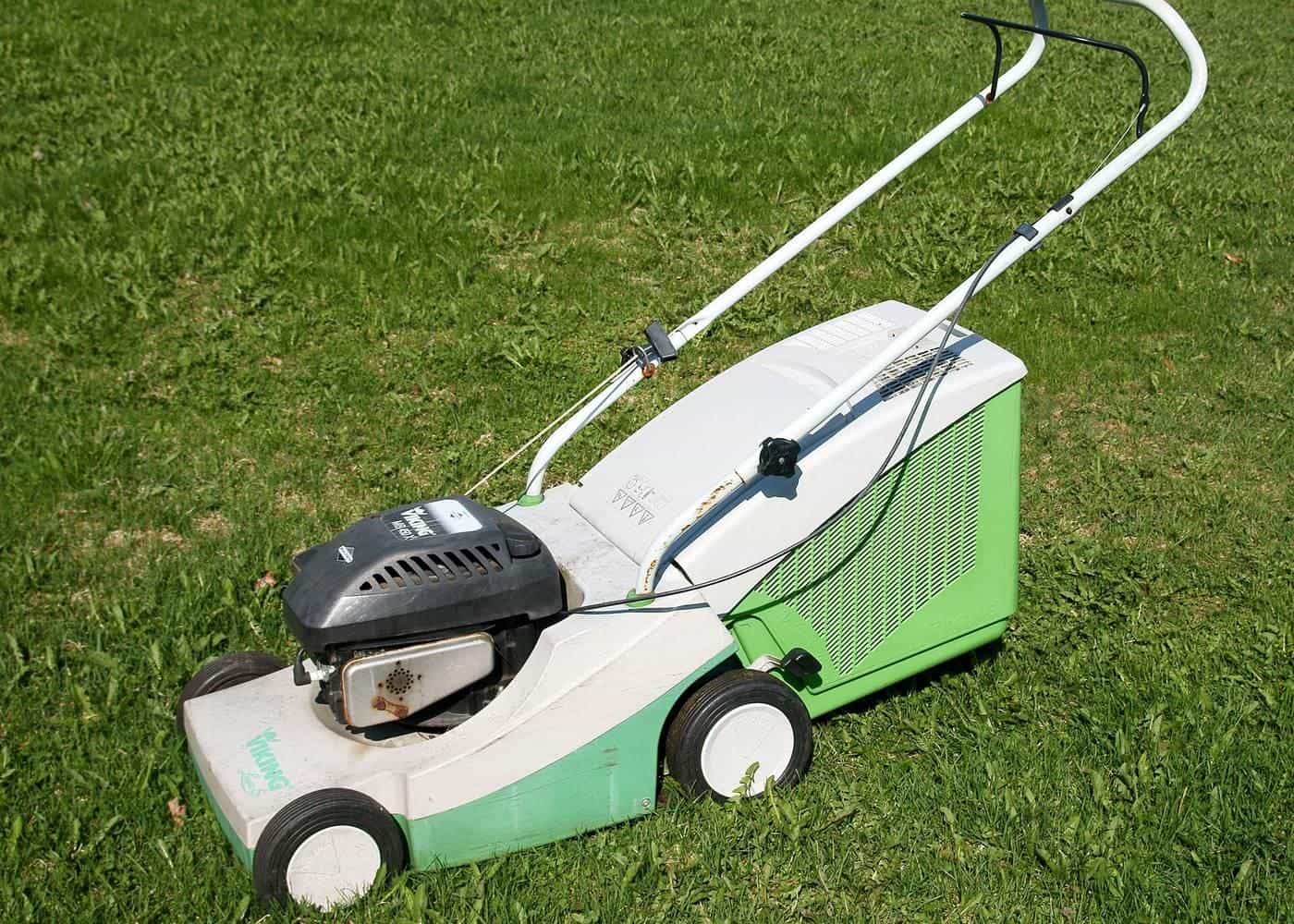
Walk into any hardware store or mower shop and you'll find a wall of options: petrol push mowers, self-propelled mowers, battery mowers in several voltages, corded electric mowers, ride-ons, zero-turns and robots. Each one is the right answer for someone, and the wrong answer for someone else. The best mower for you depends on the size and shape of your lawn, the type of grass, how often you mow, where you'll store it and what you're comfortable maintaining. This section helps you work through those questions without the sales pitch.
Guides in this section
- Petrol vs battery lawn mowers: power, run time, noise, maintenance, weight, running costs and which suits your yard.
- Ride-on mowers: what to know before you buy: types, rollover risk on slopes, safety features to look for and children.
- Robot lawn mowers: are they worth it?: boundary wire versus wire-free, which lawns suit them, edges, safety and upkeep.
- Buying a second-hand lawn mower: an inspection checklist for petrol, battery and ride-on mowers.
Start with your lawn, not the mower
Before looking at any mower, take a good look at your yard. Note roughly how big the lawn is and whether it's one open area or lots of small patches. Is it flat, gently sloping or steep? Is the ground smooth or bumpy? Are there lots of obstacles such as trees, garden beds, clotheslines and play equipment? How do you get the mower from where it's stored to the lawn: steps, narrow side passages, through the house?
Then think about the grass. Buffalo and kikuyu are usually mown higher than couch and zoysia, and vigorous grasses grow fast in a warm, wet summer. Our mowing heights guide explains the recommended ranges, and whichever mower you choose should be able to cut at the height your grass needs.
The main types at a glance
| Type | Best suited to | Things to weigh up |
|---|---|---|
| Battery walk-behind | Small to medium lawns mown regularly | Run time, battery life and replacement |
| Petrol walk-behind | Medium to large lawns, long or thick grass | Noise, servicing, fuel storage |
| Corded electric | Small, simple lawns near a power point | Cord management, range |
| Self-propelled (petrol or battery) | Larger lawns, gentle slopes | Weight, cost |
| Ride-on | Large, open, reasonably flat lawns | Rollover risk, storage, maintenance |
| Robot | Flat, open, well-defined lawns | Edges, slopes, set-up, security |
Power source: petrol, battery or cord
The biggest decision for most people is between petrol and battery. Battery mowers have improved enormously: they're quiet, start at the press of a button and need little maintenance beyond a sharp blade and a well-looked-after battery. Petrol mowers still lead on endurance and on long or thick grass, and you can refuel in seconds. Corded electric mowers are cheap to run and light but tethered to a power point. Our petrol vs battery guide goes through the trade-offs in detail.
If you choose battery, buy reputable batteries and chargers. Fire and Rescue NSW advises using compatible chargers that comply with Australian standards and charging safely, away from living areas and exits. See charging and storing mower batteries.
Walk-behind, ride-on or robot
A walk-behind mower suits most suburban lawns. Self-propelled models drive themselves forward, which helps on larger lawns and gentle slopes.
A ride-on can save hours on a big block, but it's a heavy machine with real risks. Product Safety Australia identifies falls from the mower, and the mower running over or falling on the rider, as the main risks, and advises that children under 16 shouldn't operate a ride-on. Read our ride-on guide before buying one.
A robot mower trims a little grass often, all by itself. It suits flat, open lawns and people who don't mind tidying edges with a trimmer. See robot lawn mowers.
Features worth paying attention to
Whatever type you choose, a few features make day-to-day mowing easier:
- Cutting width. A wider cut means fewer passes but a bulkier mower that's harder to manoeuvre in tight spaces.
- Height adjustment. A single lever that adjusts all wheels at once is quicker than adjusting each wheel. Check the range suits your grass.
- Catcher and mulching. Check the catcher is easy to remove, empty and refit. A mulching option lets you return clippings to the lawn. See our clippings guide.
- Handle. It should be comfortable for your height, and a folding handle helps with storage.
- Wheels. Larger rear wheels can make a walk-behind easier to push on rough ground.
- Safety controls. A blade control lever that stops the blade when released is standard; never bypass it.
- Service and parts. Check that blades, catchers, batteries and servicing are easy to get locally.
New or second-hand
A new mower comes with a warranty and the protection of the consumer guarantees. The ACCC explains that these generally apply when you buy from a business, but most don't apply to one-off private sales. A second-hand mower can be good value if it's been looked after. Our second-hand mower guide has an inspection checklist, including what to look for in a used battery and how to check for recalls.
Thinking about the long term
A mower is usually a purchase you live with for years. Think about the total cost of ownership rather than just the price tag: fuel or electricity, servicing, blades, and for battery mowers, eventual battery replacement. Think about noise, too. In NSW, power garden tools can't be used when they can be heard in a neighbour's home before 8am or after 8pm on weekends and public holidays, or before 7am or after 8pm on other days. A quieter mower makes it easier to fit mowing into your week. See mower noise and mowing hours.
Finally, think about your own body. A heavy petrol mower on a sloping yard can be hard work. A lighter battery mower, a self-propelled model, or a smaller lawn can make mowing much more pleasant as the years go by.
Not sure where to start?
Use this quick sequence: measure your lawn and note the slope and obstacles; check your grass type and its recommended height; decide on a power source; then decide between walk-behind, ride-on and robot. Once you've narrowed it down, compare a few models in person, handling the controls and checking the catcher and height adjustment. And once you've bought a mower, our mower care guides will help it last.
Guides in this section
Choosing a mower
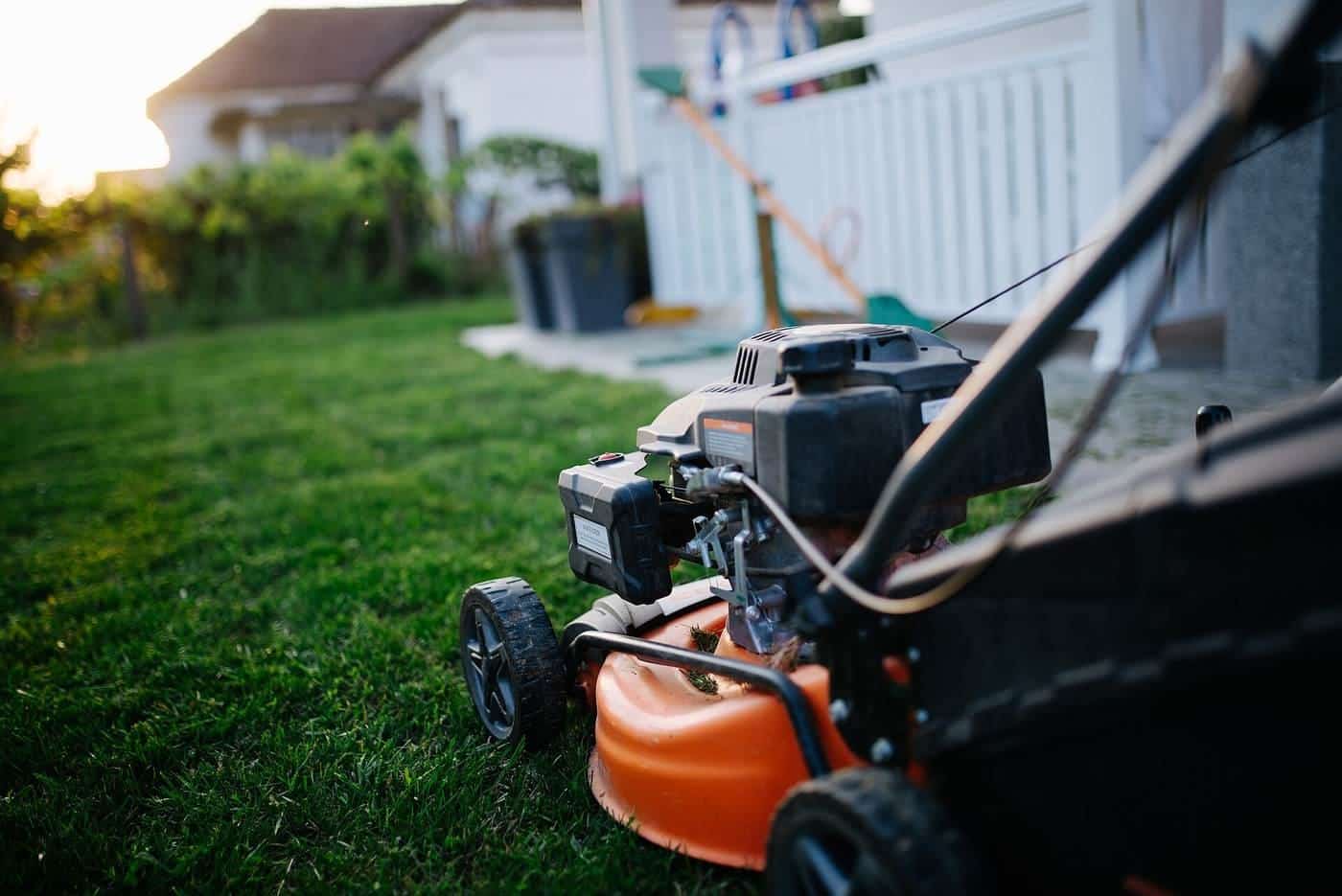
Petrol vs battery lawn mowers
How petrol and battery lawn mowers compare on power, run time, noise, maintenance, weight and running costs, and which suits your yard.
Read · 8 min
Choosing a mower
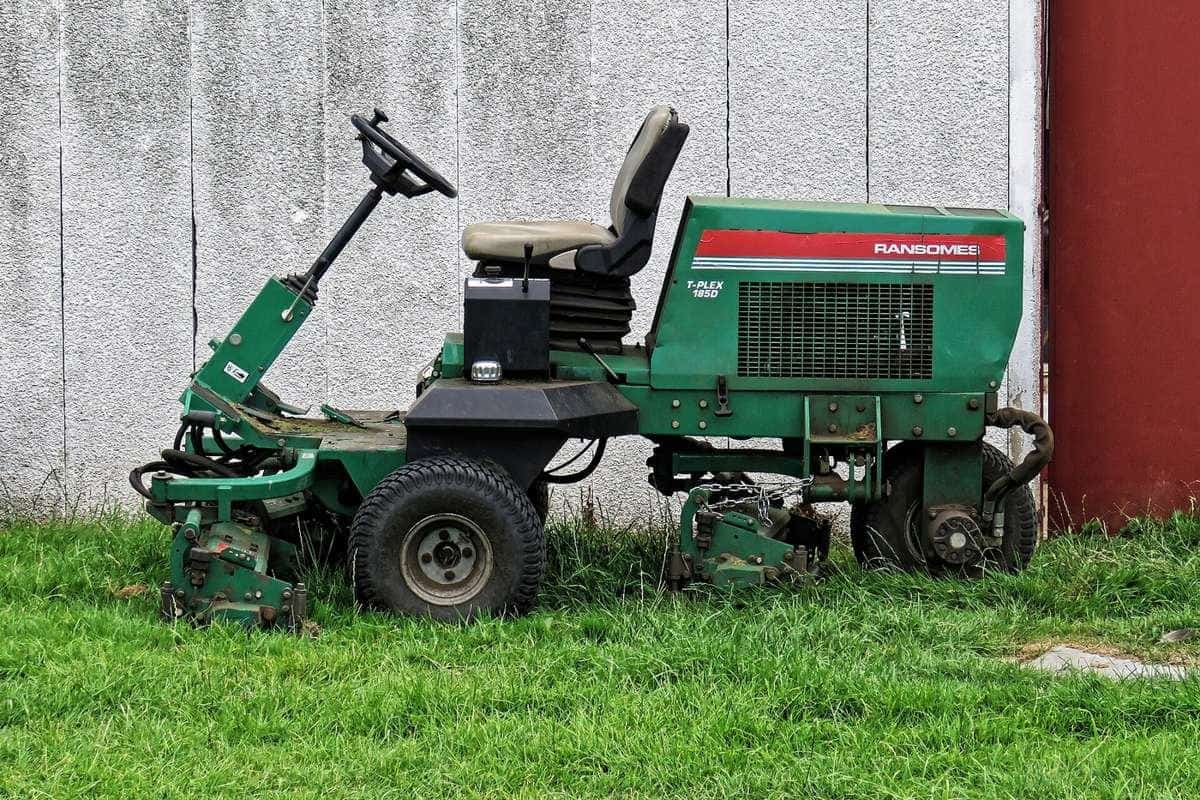
Ride-on mowers: what to know before you buy
Is a ride-on mower right for your block? Types, slopes and rollover risk, safety features to look for, kids and safe operating habits.
Read · 7 min
Choosing a mower
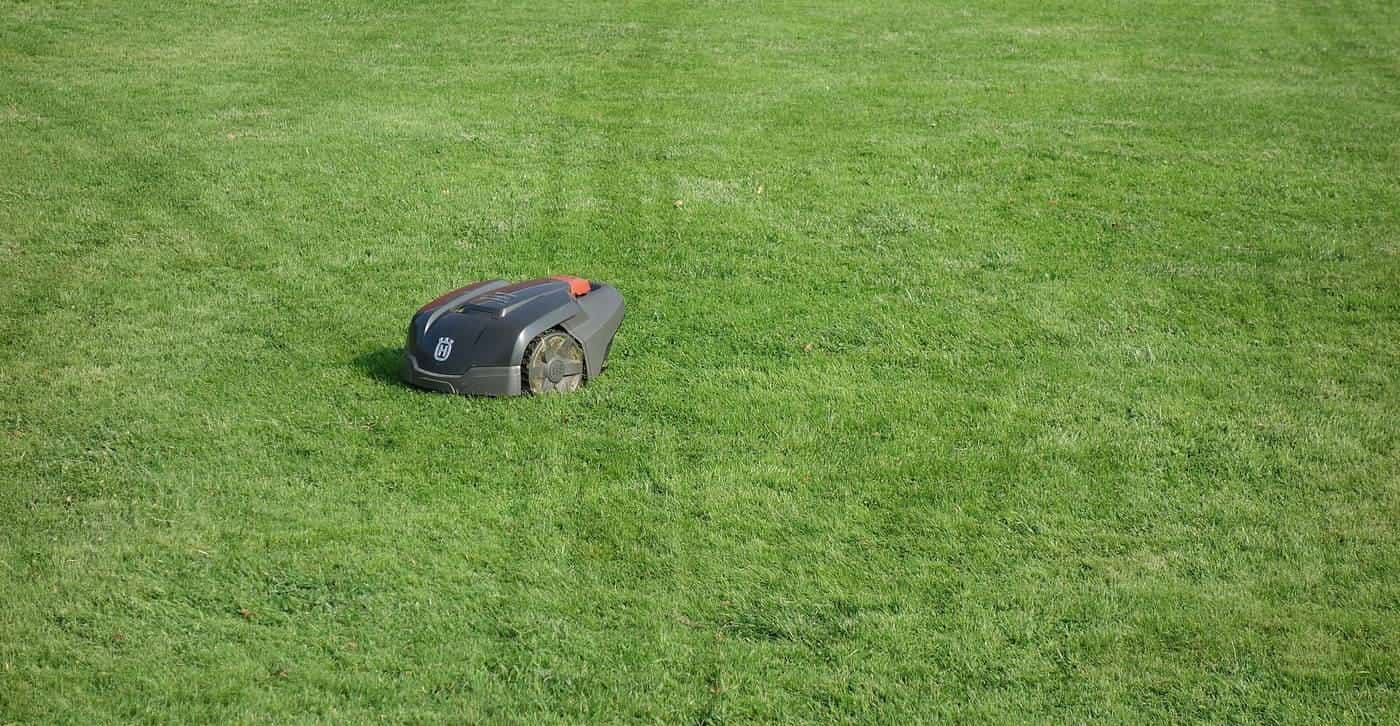
Robot lawn mowers: are they worth it?
How robot lawn mowers work, boundary wires versus wire-free GPS, which lawns suit them, safety around kids and pets, and upkeep.
Read · 6 min
Choosing a mower
Buying a second-hand lawn mower
How to check a used petrol, battery or ride-on mower before you buy: starting, smoke, blade, deck, wheels, battery health and paperwork.
Read · 6 min
Frequently asked questions
What's the best type of mower for a small suburban lawn?
For most small to medium lawns mown regularly, a battery walk-behind mower is a strong choice: quiet, light and low-maintenance. Corded electric mowers suit very small, simple lawns.
When does a ride-on make sense?
On large, open, reasonably flat lawns. Steep or uneven ground increases rollover risk, and on cluttered yards a walk-behind mower is often just as quick.
Do you recommend particular brands?
No. We don't rank or endorse brands. We explain what to look for so you can compare models yourself.
Is it worth buying a second-hand mower?
It can be, if you inspect it carefully. Ask to see it start from cold, check the blade and deck, and on battery mowers find out the battery's age and condition.
Sources and further reading
Facts on this page were checked against these primary and official sources. Conditions change — confirm before you travel or buy.
- Ride-on lawn mowers guide — ACCC Product Safety Australia
- Lithium-ion batteries – shop, charge and recycle safely — Fire and Rescue NSW
- Consumer rights and guarantees — ACCC