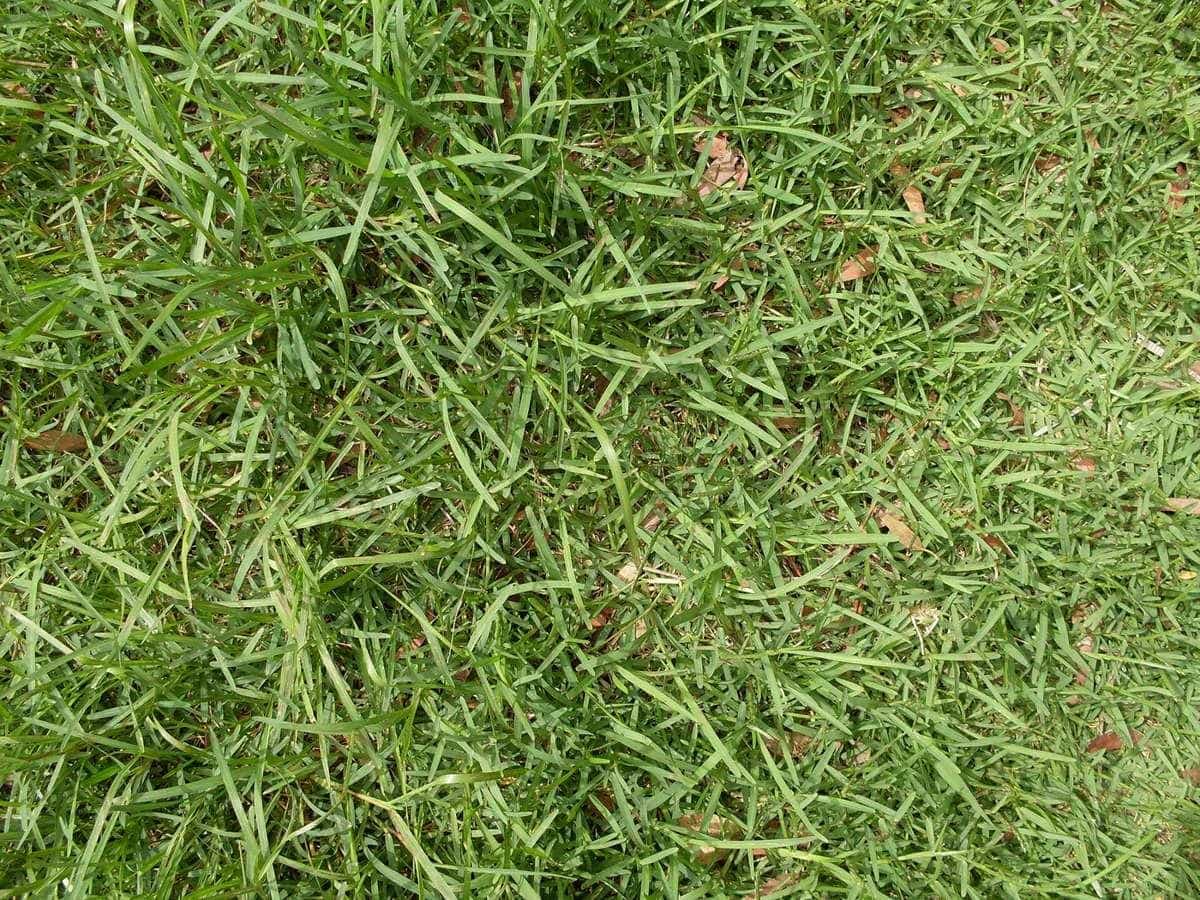
The mower is only half the story. The way you mow, including how high, how often, when and what you do with the clippings, has as much effect on your lawn as fertiliser or watering. A lawn cut at the right height for its grass type, never scalped, mowed with a sharp blade and given a break in hot weather will be thicker, greener and better at crowding out weeds than one hacked short every weekend. This section focuses on the mowing side of lawn care for common Australian warm-season grasses.
Guides in this section
- Mowing heights for Australian grasses: recommended heights for buffalo, kikuyu, couch, zoysia and more, the one-third rule and overgrown lawns.
- Mowing in heat and drought: mowing higher, timing, sharp blades, clippings and watering deeply.
- Mower noise and permitted mowing hours: NSW and Victorian rules and keeping the peace with neighbours.
- Grass clippings: mulch, catch or compost?: when to catch, when to mulch, composting and keeping clippings out of drains.
Three rules that fix most lawns
1. Mow at the right height for your grass. Different grasses grow best at different heights. Townsville City Council's lawn species fact sheet recommends 30–50mm for buffalo, kikuyu and carpet grass, 15–30mm for green couch, Queensland blue couch, zoysia japonica and seashore paspalum, and 10–20mm for manila grass.
2. Never take off more than a third. Turf Queensland recommends never removing more than one-third of the grass blade in a single mow, and reducing overgrown lawns gradually over several cuts.
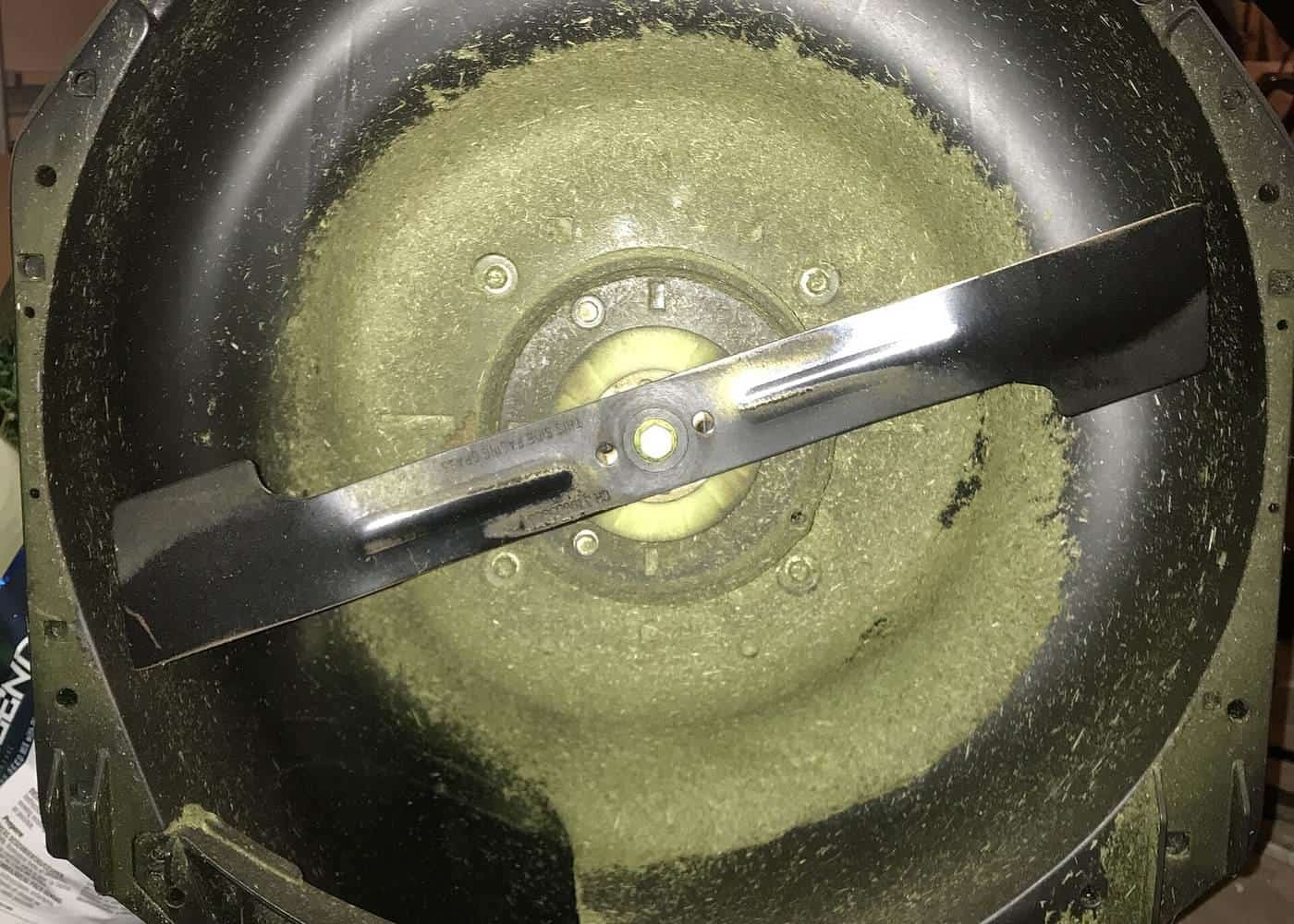
3. Keep the blade sharp. The Queensland Government's lawn care advice notes that a clean cut means the lawn loses less water. A blunt blade tears grass and leaves brown tips.
Try the mowing height planner
Our mowing height planner brings the first two rules together. Choose your grass, enter its current height and tick the box if it's hot, dry or shaded. It suggests a target height, the lowest you should cut this time, and how many mows it will take to get there without breaking the one-third rule.
Recommended heights at a glance
| Grass | Recommended height |
|---|---|
| Buffalo | 30–50mm |
| Kikuyu | 30–50mm |
| Carpet grass | 30–50mm |
| Green couch | 15–30mm |
| Queensland blue couch | 15–30mm |
| Zoysia japonica | 15–30mm |
| Seashore paspalum | 15–30mm |
| Manila grass | 10–20mm |
Source: Townsville City Council lawn species fact sheet. Varieties differ, so check any advice that came with your turf.
Mowing through the seasons
Warm-season grasses grow fastest in the warm months and slow down in winter. In late spring and summer, especially after rain, you may need to mow weekly or more to keep within the one-third rule. In autumn, growth slows, and many councils and turf groups advise raising the cutting height heading into winter. In winter, mow only when needed; Townsville City Council suggests mowing only when necessary during its winter months.
In hot, dry weather, raise the height, mow less often and avoid the hottest part of the day. The Queensland Government advises keeping lawns at least 3cm high. Our heat and drought guide explains how to help your lawn survive a dry summer and recover afterwards.
Being a good neighbour
Mowing is noisy, and every state has rules. In NSW, power garden tools shouldn't be used when they can be heard in a neighbour's home before 8am or after 8pm on weekends and public holidays, or before 7am or after 8pm on other days. In Victoria, EPA Victoria lists prohibited times for lawn mowers of before 7am and after 8pm on weekdays, and before 9am and after 8pm on weekends and public holidays. Other states have their own rules. See mower noise and mowing hours.
Being a good neighbour also means keeping clippings out of gutters, where they wash into stormwater and waterways, and pointing the discharge chute away from paths and roads.
Clippings: an asset, not a nuisance
Fine clippings from regular mowing break down quickly and return nutrients and moisture to the soil. Mulching them is a great choice in dry weather. In the wet season or when grass is long, catching them stops thick clumps smothering the lawn; Townsville City Council recommends using the catcher during the wet season. Leftover clippings can go in the compost, a thin layer of garden mulch or the council green bin. Our clippings guide explains each option.
Common mistakes to avoid
A few habits do more harm than good. Mowing as low as the mower will go leaves the lawn scalped and stressed. Letting the grass get very long, then cutting it all back in one go, breaks the one-third rule. Mowing wet grass gives a ragged cut and clogs the mower. Using a blunt blade tears the leaf. And blowing clippings into the gutter sends nutrients into local waterways. Avoid these and your lawn will be well on its way.
Matching your mower to your lawn
If your mower can't cut at the height your grass needs, or struggles in long grass, it may be worth reconsidering your equipment. Our choosing a mower guides compare petrol, battery, ride-on and robot mowers. And because a well-maintained mower gives a better cut, our mower care guides cover servicing and blade sharpening.
Guides in this section
Lawn care
Mowing heights for Australian grasses
Recommended mowing heights for buffalo, kikuyu, couch, zoysia and other warm-season grasses, the one-third rule and fixing overgrown lawns.
Read · 5 min
Lawn care
Mowing in heat and drought
How to mow during hot weather, water restrictions and drought: mowing height, timing, sharp blades, clippings and watering deeply but less often.
Read · 5 min
Lawn care
Mower noise and permitted mowing hours
When you can use a lawn mower under NSW and Victorian noise rules, how other states handle it, and tips to keep the peace with neighbours.
Read · 5 min
Lawn care
Grass clippings: mulch, catch or compost?
Whether to catch or mulch grass clippings, how mulching mowers work, composting clippings, green bins and keeping clippings out of drains.
Read · 5 min
Frequently asked questions
What's the most common mowing mistake?
Cutting too low or taking off too much at once. Turf Queensland recommends never removing more than one-third of the grass blade in one mow.
How high should I mow buffalo grass?
Townsville City Council's lawn species fact sheet recommends 30–50mm for buffalo, mowing towards the higher end in heat, drought or shade.
When can I mow in NSW?
Power garden tools shouldn't be used when they can be heard in a neighbour's home before 8am or after 8pm on weekends and public holidays, or before 7am or after 8pm on other days.
Should I catch or mulch clippings?
Mulch fine clippings when mowing regularly in dry weather; catch when the grass is long or wet, weeds are seeding or you want a tidy finish.
Sources and further reading
Facts on this page were checked against these primary and official sources. Conditions change — confirm before you travel or buy.
- Lawn species fact sheet (PDF) — Townsville City Council
- Turning grass into lawn – mowing tips — Turf Queensland
- Lawn care — Queensland Government
- Preventing neighbourhood noise — NSW Environment Protection Authority