Australian lawns face some of the harshest conditions anywhere: long, hot summers, strong sun, dry winds and regular droughts, often with water restrictions on top. How you mow has a surprisingly big effect on whether your lawn comes through looking tired but alive, or crisp and patchy. The core advice is simple: mow higher, mow less often, mow at the right time and keep the blade sharp. This guide explains why, drawing on Queensland Government and Turf Queensland advice.
3cm+
Keep lawns at least
Queensland Government lawn care advice
Not midday
Avoid the hottest part of the day
Queensland Government
Sharp blade
Clean cut, less water loss
Queensland Government
Why heat and drought stress lawns
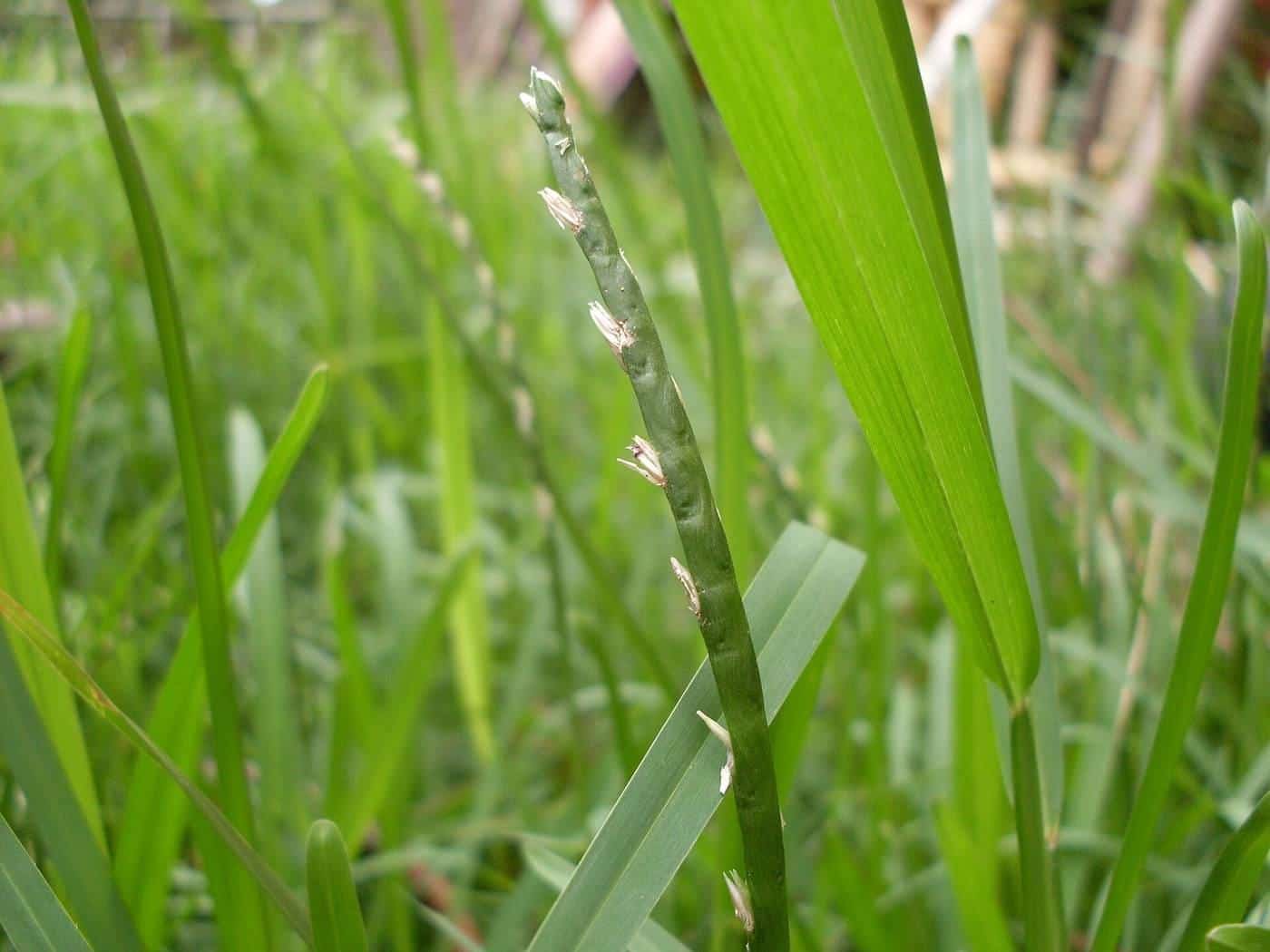
Grass blades lose water through evaporation and transpiration, and in hot, dry, windy weather they lose it faster than roots can replace it. When water runs short, warm-season grasses protect themselves by slowing growth and, eventually, going dormant and brown. Many recover when rain returns, but a stressed lawn is more vulnerable to damage from mowing, foot traffic, pests and weeds.
Mowing is itself a stress: every cut removes leaf and opens wounds that lose moisture. In hot weather, the goal is to mow in a way that keeps that stress to a minimum.
Mow higher
The single most effective change is raising the cutting height. The Queensland Government's water-wise advice says to keep your lawn at least 3cm high. Taller grass shades the soil, which helps reduce evaporation, keeps roots cooler and helps the lawn compete with weeds.
Turf Queensland likewise suggests raising the mowing height when lawns are under stress. In practice, that means mowing at or near the top of your grass's recommended range. For example, Townsville City Council's lawn species fact sheet gives 30–50mm for buffalo and kikuyu, so in heat you'd aim for the higher end. See our mowing heights guide for other grasses, or use the mowing height planner and tick the hot, dry box.
Mow less often and take less off
When the lawn is barely growing, there's little point mowing it. Mow only when it actually needs it, and stick to the one-third rule: never take off more than a third of the blade in one mow. Removing a lot of leaf from a stressed lawn can tip it into dormancy or worse.
If growth surges after a storm, mow promptly once the lawn has dried, so you don't end up with an overgrown lawn that needs a big cut.
Choose the right time
The Queensland Government advises avoiding mowing in the hottest part of the day. Mowing in the late afternoon or early evening, or mid-morning once dew has dried, is easier on the grass and on you. Keep in mind your local noise rules: early-morning mowing can breach them. See mower noise and mowing hours.
Protect yourself too. Wear sun protection, drink water, and take breaks. Heat-related illness is a real risk when pushing a mower in the sun.
Keep the blade sharp
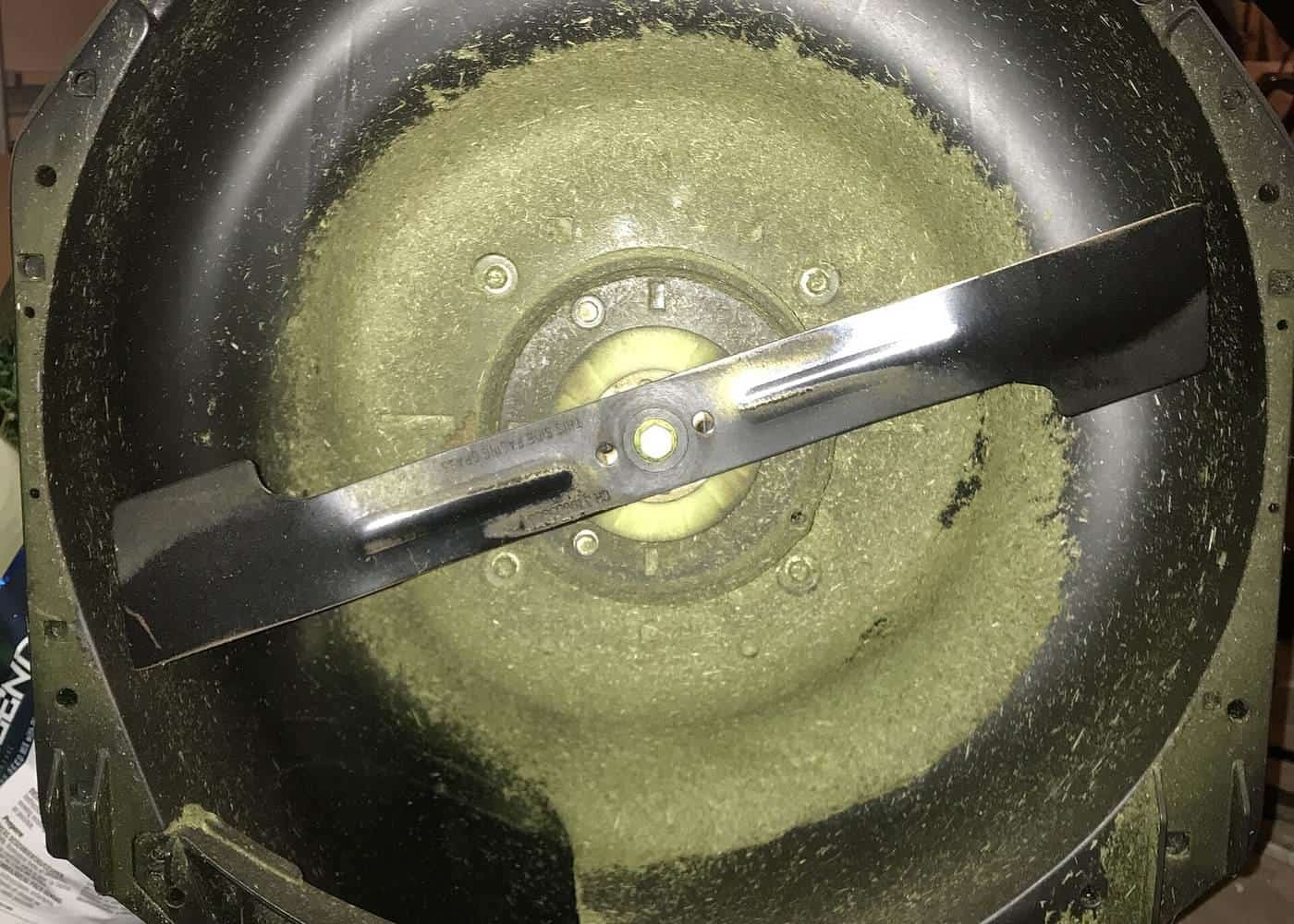
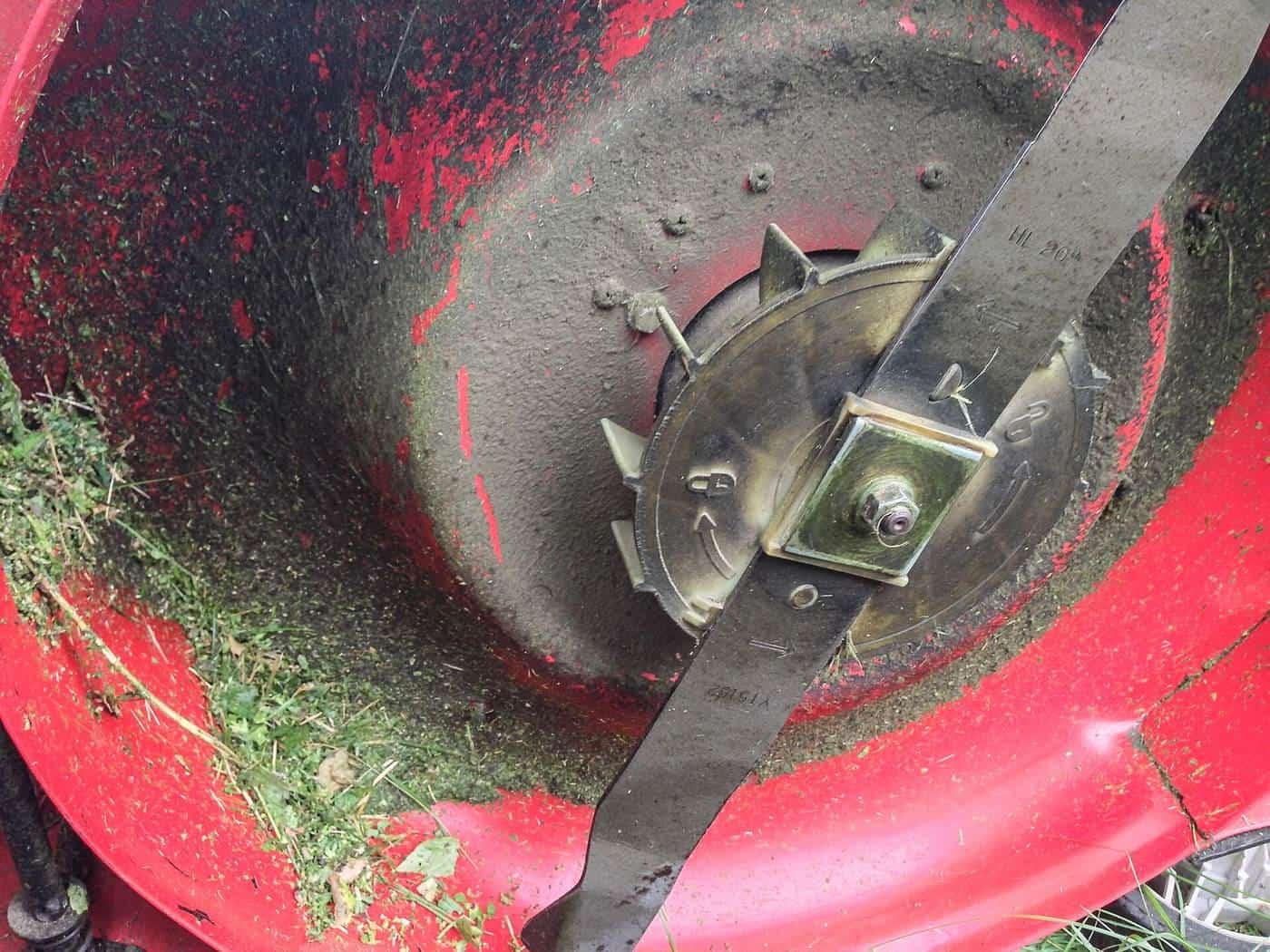
A blunt blade tears grass rather than cutting it, leaving ragged tips that brown off and lose more water. The Queensland Government's advice is to check your blades, because a clean cut means the lawn loses less water. Sharpen or replace the blade before summer. See sharpening mower blades.
Leave clippings on the lawn (in moderation)
Fine clippings left on the lawn act like a light mulch, shading the soil and returning moisture and nutrients as they break down. If you have a mulching mower, or a mower with a mulching plug, summer is a good time to use it. Avoid leaving thick clumps, which can smother the grass beneath. Our clippings guide has more.
Water deeply and less often
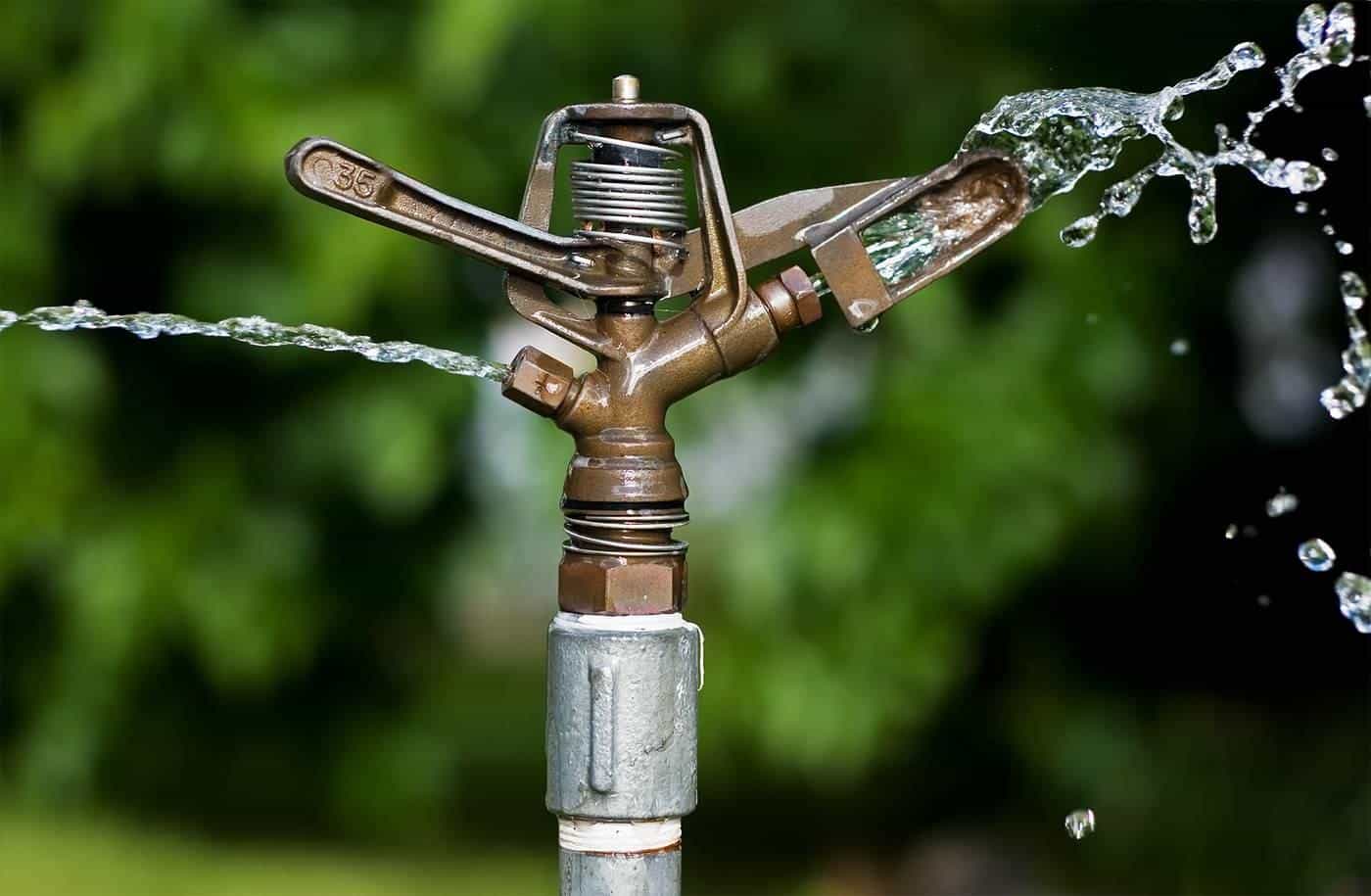
Watering advice from the Queensland Government is to water less often but more deeply, to encourage deeper roots, and to water in the early morning to reduce evaporation. Frequent light sprinkling keeps roots shallow and close to the hot surface, making the lawn more vulnerable in a heatwave.
Signs your lawn needs water include a dull, blue-grey colour, leaf blades folding or curling, and footprints that stay visible after you walk across it.
Always check and follow your local water restrictions, which may limit when and how you can water lawns. Restrictions differ between water authorities and change with conditions.
Making water go further
- Water in the early morning when it's cool and still.
- Avoid watering paths, driveways and roads.
- Check sprinklers for even coverage, and fix leaks and broken heads.
- Use a wetting agent on soils that repel water, following the product label.
- Aerate compacted areas in the growing season so water can soak in.
Reduce other stresses
- Keep off. Foot traffic, play and vehicles damage drought-stressed grass. Rotate play areas or use paths.
- Hold off on fertiliser. Fertilising a dormant, dry lawn can do more harm than good. Wait until it's actively growing again and follow product directions.
- Don't scalp. Never mow very low in hot or dry conditions.
- Watch for pests. Stressed lawns can be more susceptible to some pests. Seek local advice if patches don't recover after rain.
Helping a lawn recover after drought
When rain returns, many warm-season grasses green up again. Help them along by:
- Letting the grass grow before the first mow, then mowing at a high setting.
- Following the one-third rule as growth picks up.
- Applying a lawn fertiliser once it's actively growing, if needed.
- Patching any dead areas with runners or turf once conditions are favourable.
Choosing grass for dry conditions
If you're establishing a new lawn, choose a grass suited to your climate, sun and water availability. Local turf suppliers, nurseries and councils can advise on varieties that cope with heat and low water. In some areas, reducing the size of your lawn and replacing parts with mulched garden beds or groundcovers can save water and mowing time.
Signs your lawn is heat-stressed
Learning to read your lawn helps you know when to hold off mowing. Common signs of heat and water stress include:
- a dull, grey-green or bluish tinge instead of a fresh green;
- leaf blades that fold, curl or roll inwards;
- footprints or mower tracks that stay flattened rather than springing back;
- patches browning first on slopes, near paths and driveways, and in shallow soil;
- growth slowing to the point where the lawn barely needs mowing.
When you see these signs, lift the cutting height, mow only if you have to, and keep traffic off the lawn until conditions ease. Mowing a heat-stressed lawn short is one of the quickest ways to turn temporary browning into lasting damage.
Key points
- Mow at the top of your grass's height range, and keep lawns at least 3cm high.
- Mow less often, take off no more than a third, and avoid the hottest part of the day.
- Keep the blade sharp so the grass loses less water.
- Leave fine clippings to act as mulch.
- Water deeply and less often, early in the morning, within local restrictions.
Frequently asked questions
Should I mow my lawn during a drought?
Mow less often and only when needed, at the top of your grass's recommended height range. The Queensland Government advises keeping lawns at least 3cm high and avoiding mowing in the hottest part of the day.
Why mow higher in summer?
Longer grass shades the soil, which helps reduce evaporation and keeps roots cooler. Turf Queensland suggests raising the cutting height when the lawn is under stress.
When's the best time of day to water?
Early morning is generally best, when it's cool and still, so less water evaporates. Check your local water restrictions, which may limit watering days and times.
Will my brown lawn recover?
Many warm-season grasses go dormant and brown in drought and recover when rain returns, but long or severe drought can kill grass. Avoid mowing or heavy foot traffic on stressed lawns.
Should I leave clippings on the lawn in summer?
Leaving fine clippings on the lawn can help retain moisture and return nutrients, as long as they don't form thick clumps. Mulching mowers chop clippings finely.
Sources and further reading
Facts on this page were checked against these primary and official sources. Conditions change — confirm before you travel or buy.
- Lawn care — Queensland Government
- Turning grass into lawn – mowing tips — Turf Queensland
- Watering — Queensland Government