On a large block, a ride-on mower is one of the most satisfying pieces of equipment you can own. What took hours behind a push mower can be done in a fraction of the time, sitting down. But a ride-on is a heavy, powerful machine with spinning blades, and it carries risks that a walk-behind mower doesn't: it can tip over, run over people and pin its rider. This guide helps you decide whether you need one and, if you do, how to choose and use it safely.
Under 16
Shouldn't operate a ride-on
ACCC Product Safety Australia
No passengers
Ever, especially children
Product Safety Australia guidance
ROPS + belt
Where rollover is possible
WorkSafe Victoria guidance
Do you actually need a ride-on?
The honest answer for many suburban households is no. On a small or medium lawn broken up by garden beds, trees, clotheslines and play equipment, a good walk-behind mower is often just as quick once you count the time spent manoeuvring around obstacles. It's also cheaper, easier to store and safer.
A ride-on starts to make sense when:
- you have a large, mostly open lawn that takes a long time to push-mow;
- you mow regularly through the growing season and the job is wearing you out;
- the ground is reasonably flat and even;
- you have secure, dry storage for a large machine.
If your block is large but steep, rough or full of obstacles, a ride-on may not be the answer at all. WorkSafe Victoria's guidance puts not using a ride-on on steep slopes or uneven ground at the top of its list of controls. Alternatives include a self-propelled walk-behind mower, a professional mowing service for difficult areas, or planting steep banks with groundcovers that don't need mowing.
Types of ride-on mower
Lawn tractors look like small tractors, with the engine at the front and the cutting deck slung underneath between the wheels. They steer with a steering wheel and often have a rear grass catcher. They're familiar to drive and well suited to open lawns.
Rear-engine riders are compact ride-ons with the engine behind the seat. They're smaller and nimbler than tractors, which suits medium blocks and tighter spaces.
Zero-turn mowers steer using two levers that control each rear wheel independently. They can turn on the spot and mow quickly around trees and beds. They handle very differently from a steering-wheel mower, particularly on slopes, so read the manual carefully and practise on flat ground first.
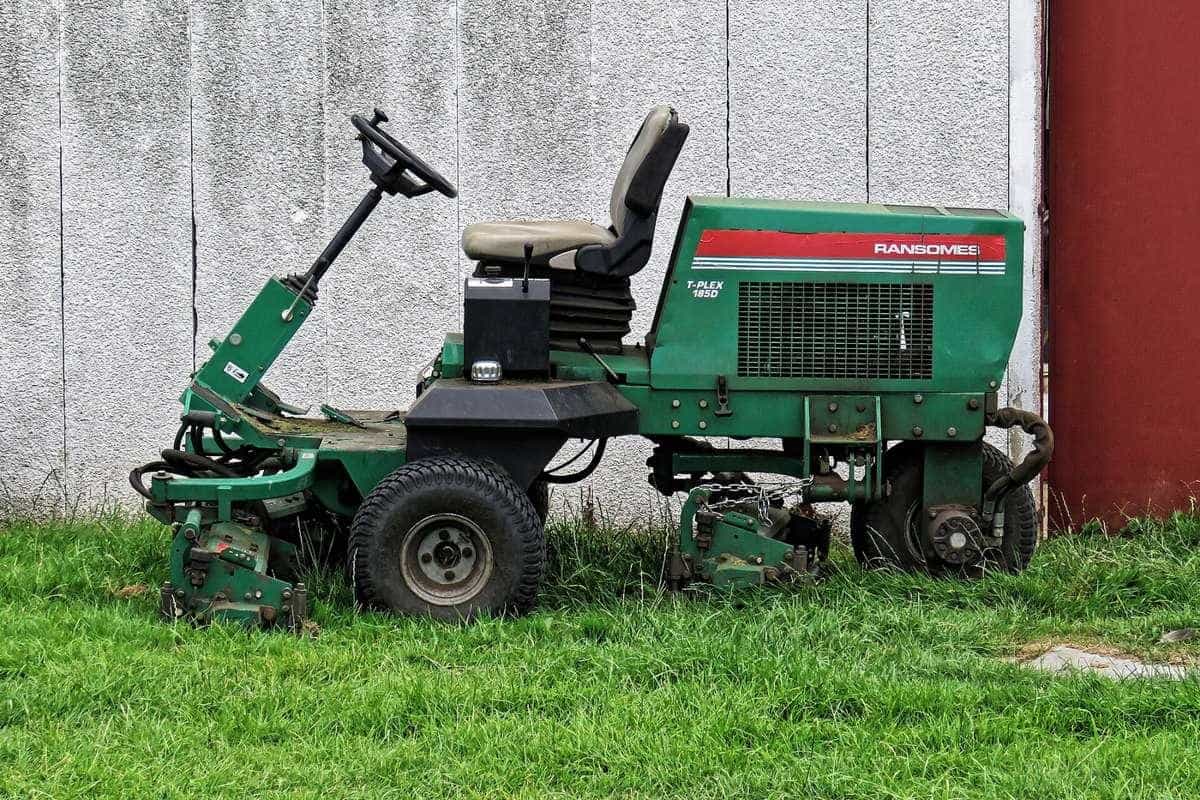
Out-front and commercial mowers are larger machines more often used by councils, sporting grounds and contractors. Reel ride-ons like the one in the photo above are used on fine turf such as cricket grounds.
Battery ride-ons are increasingly available. They remove fuel and engine servicing from the equation, but the battery pack is large and needs to be charged with the same care as any lithium-ion battery.
Understanding the rollover risk
Rollover is the big one. Product Safety Australia identifies falling off the mower, and the mower running over or falling on the rider, as the main risk for ride-on users. If that happens, the mower's weight and blades can cause crushing injuries, amputations and deep cuts. Bystanders, especially children, are also at risk of being hit or run over.
WorkSafe Victoria notes a high risk of rollover when a ride-on is used on:
- steep slopes;
- uneven ground;
- near embankments, drop-offs, ditches, retaining walls and water;
- wet or slippery grass.
Rollover can also happen when turning too sharply or too fast, or when a wheel drops into a hole. Always read your mower's manual for the maximum slope it's designed for and the correct way to mow across or up and down a slope, because the advice differs between machines.
Safety features to look for
There isn't a mandatory safety standard for ride-on mowers in Australia, according to Product Safety Australia, which points buyers to voluntary standards instead. That makes it worth knowing what to ask about. Features to look for include:
- A rollover protective structure (ROPS) with a seatbelt. WorkSafe Victoria advises a ROPS and seatbelt where rollover is possible. The ROPS only protects you if the seatbelt keeps you inside its zone, so wear the belt whenever the ROPS is up.
- An operator presence or seat switch that stops the blades if you leave the seat. Never bypass it.
- A blade engagement control that's separate from the drive, so you can travel without the blades spinning.
- A reverse mowing lockout that stops or warns before the blades run in reverse.
- A parking brake that's easy to set and holds on a slope.
- Guards and a discharge chute or catcher that direct cuttings down and away from the operator.
- Clear controls and safety labels in plain English.
Ask the seller to demonstrate each feature and to show you the maximum safe slope in the manual.
Keeping children safe
Children and ride-on mowers are a dangerous combination. Product Safety Australia's advice includes:
- Keep children indoors, or well away under supervision, while a ride-on is being used.
- Never carry a child as a passenger, even on your lap.
- Never let children operate a ride-on. Children under 16 shouldn't operate one.
- Never leave a ride-on unattended while it's running.
- Remove the key after use so the mower can't be started by anyone else, including children.
It's also worth thinking about visitors: a neighbour's child wandering into the yard, or a grandchild who's never seen the mower before. If in doubt, stop the mower.
Safe operating habits
Once you've chosen a mower, good habits matter more than any feature:
- Read the manual before your first mow, and keep it handy.
- Walk the lawn first to remove sticks, stones, toys, hoses and dog bones that the blades could throw.
- Check the mower before each use: tyres, brakes, guards, belts and fuel or battery.
- Wear protective gear: enclosed sturdy shoes, long pants, eye protection and hearing protection on noisy machines. Use sun protection, as you may be out for a while.
- Drive slowly, especially when turning and near edges.
- Look behind before reversing, just as you would in a car, and check for people, pets and objects.
- Shut the blades down and stop the engine before you get off, even for a moment to move a branch.
- Avoid wet grass and steep or uneven ground, and stay well back from drop-offs and water.
- Never mow with anyone else nearby, especially children.
Testing before you mow
WorkSafe Victoria advises testing a mower's capabilities after choosing it, following any manufacturer instructions for testing stability and traction, and identifying hazards before you start. In a home setting, that might mean mowing a test lap at low speed with the blades disengaged, noting soft spots, holes, slopes and obstacles, and marking off any areas you'll mow with a walk-behind or trimmer instead.
Noise and timing
Ride-ons are typically louder than battery walk-behinds. In NSW, power garden tools such as mowers mustn't be used at times when they can be heard in a neighbour's home before 8am or after 8pm on weekends and public holidays, or before 7am or after 8pm on other days, according to the NSW EPA. Large rural properties may be well out of earshot, but in semi-rural estates the rules still apply. See mower noise and mowing hours.
Maintenance basics
Ride-ons need more maintenance than walk-behind mowers. Typical jobs include engine oil and filter changes, air filter cleaning, checking tyre pressures, checking and adjusting belts, sharpening or replacing blades, and charging or replacing the starter battery. Follow the service schedule in the manual. Never work under or around the deck with the engine running or the key in, and disconnect the spark plug lead or battery as the manual instructs. For anything involving the brakes, steering or safety switches, use a qualified repairer.
Buying second-hand
A used ride-on can be good value, but it can also hide expensive problems. Look for evidence of regular servicing, a clean engine that starts easily, a deck free of heavy rust and cracks, blades that are straight, working brakes and safety switches, and no signs of a previous rollover such as bent ROPS or damaged bodywork. Our second-hand mower guide has a checklist.
Alternatives worth considering
If you're tempted by a ride-on but your lawn has slopes, tight access or lots of obstacles, consider:
- a self-propelled walk-behind mower, which drives itself forward so you only have to steer;
- a wider-cut walk-behind, which reduces the number of passes;
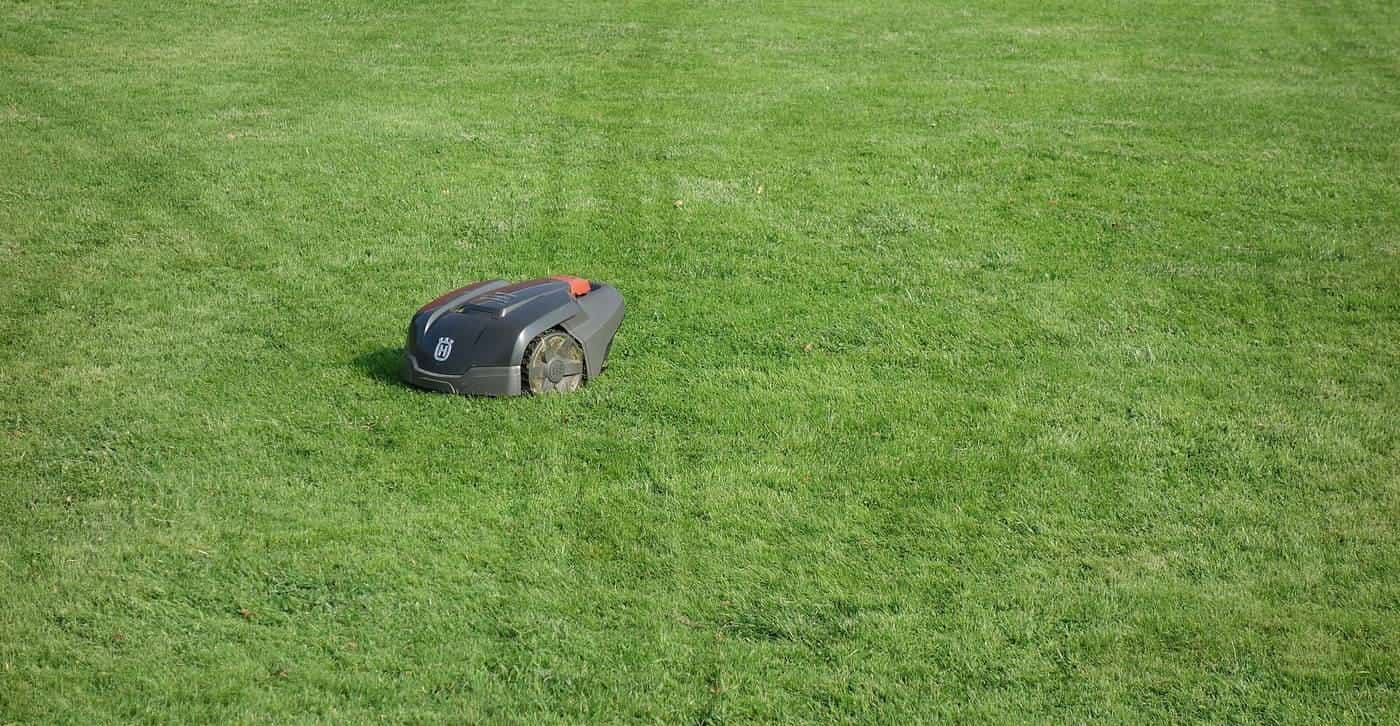
- a robot mower for flat, well-defined lawns: see our robot mower guide;
- reducing the mown area by turning steep or awkward sections into garden beds or groundcovers.
Key points
- A ride-on makes sense on large, open, reasonably flat lawns.
- Rollover is the biggest risk: avoid steep slopes, uneven ground, edges and wet grass.
- Look for a ROPS with seatbelt, a seat switch and a reverse mowing lockout, as there's no mandatory standard.
- Children under 16 shouldn't operate a ride-on, and should never ride as passengers.
- Stop the blades and engine before leaving the seat, and remove the key after use.
Frequently asked questions
How big does my block need to be for a ride-on?
There's no fixed cut-off. Ride-ons make most sense on large, open lawns where a push mower takes too long. On small or cluttered yards, a good walk-behind mower is usually faster and safer.
Can children drive a ride-on mower?
No. The ACCC's Product Safety guide says children under 16 shouldn't operate ride-on mowers, and children should never be carried as passengers.
Are ride-on mowers safe on slopes?
Slopes are the main rollover risk. WorkSafe Victoria advises avoiding steep slopes, uneven ground and wet grass, and using a mower with a rollover protective structure and seatbelt where rollover is possible.
Is there a mandatory safety standard for ride-on mowers?
According to Product Safety Australia, there isn't a mandatory standard for ride-on mowers in Australia, so it's up to buyers to look for good safety features.
What's a zero-turn mower?
A zero-turn mower steers by driving its rear wheels at different speeds, so it can turn on the spot. They are quick and manoeuvrable but handle differently from a tractor-style ride-on, especially on slopes.
Sources and further reading
Facts on this page were checked against these primary and official sources. Conditions change — confirm before you travel or buy.
- Ride-on lawn mowers guide — ACCC Product Safety Australia
- Preventing ride-on lawn mower rollover — WorkSafe Victoria
- Preventing neighbourhood noise — NSW Environment Protection Authority