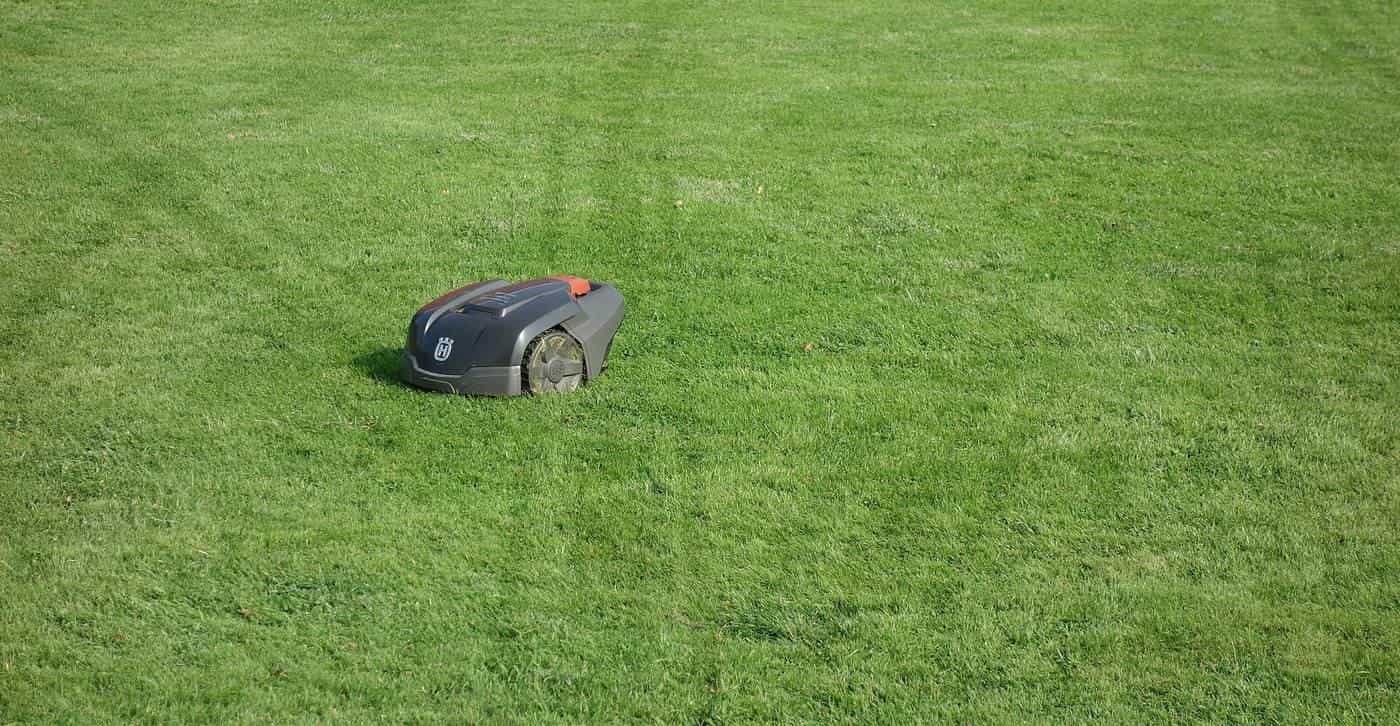
A robot lawn mower looks like a large, flat beetle trundling around the yard. It cuts a little grass at a time, often several times a week, then returns to its charging station on its own. For the right lawn it's a quiet, almost invisible way to keep grass neat. For the wrong lawn it's a frustrating gadget that gets stuck, misses patches and needs constant rescuing. This guide explains how robot mowers work and how to tell which kind of lawn you have.
Little & often
How robots mow
Fine clippings are left to break down on the lawn
⅓ rule
Built in by design
Frequent light cuts suit lawn health
Wire or wire-free
Two ways to set boundaries
Perimeter wire, or satellite and camera navigation
How robot mowers work
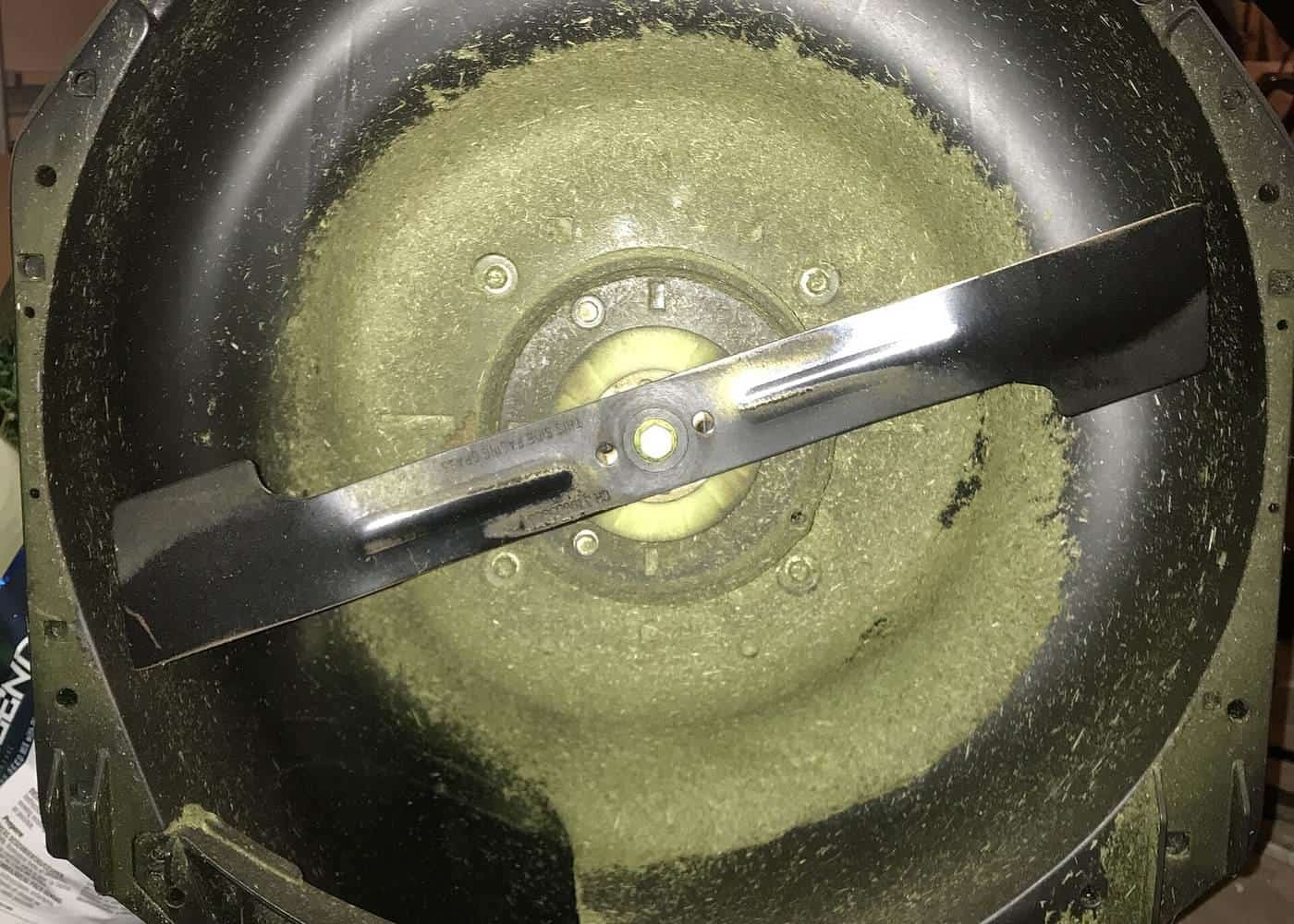
A robot mower is a small battery-powered mower with sensors, a computer and a set of small blades, often razor-like pivoting blades on a disc. It mows within a boundary you set, at a height you choose, on a schedule you program, usually through a control panel or a phone app. When its battery runs low, it drives back to its base station to recharge, then carries on.
Because it mows so often, each cut removes only a few millimetres. That fits neatly with the one-third rule promoted by Turf Queensland, which says never to remove more than a third of the leaf in one mow. The tiny clippings fall into the lawn and break down, so there's no catcher to empty.
Boundaries: wire or wire-free
Perimeter wire models use a low-voltage wire laid around the edge of the lawn and around obstacles like garden beds, either pegged on the surface or buried just below it. The robot detects the wire's signal and turns back when it reaches it. A guide wire often helps it find its way home. Wire installation takes time, and the wire can be cut by edging tools or dug up by dogs, but the system is proven and works without satellite reception.
Wire-free models use satellite positioning, usually enhanced with a reference station (often called RTK), and sometimes cameras or other sensors, to know where they are. You map the lawn by driving the robot around the edge with an app. They're quicker to set up and easier to change, but they need a reasonably clear view of the sky. Tall buildings, dense tree canopy and narrow side passages can upset the signal. Camera-based models need clear visual edges between lawn and garden.
Lawns that suit a robot
Robot mowers tend to work best on lawns that are:
- reasonably flat or gently sloping, within the model's slope rating;
- smooth, without deep holes, ruts or exposed roots;
- open, with obstacles that are easy to define;
- connected, or linked by passages wide enough for the robot;
- kept at a height within the robot's cutting range.
They're less suited to lawns that are steep, bumpy, very fragmented, heavily shaded under trees for satellite models, or regularly covered in toys, fallen fruit, dog droppings and sticks.
Grass type and cutting height
Check the robot's cutting height range against your grass. Townsville City Council's lawn species fact sheet gives recommended heights of 30–50mm for buffalo, kikuyu and carpet grass, 15–30mm for green couch, Queensland blue couch, zoysia japonica and seashore paspalum, and 10–20mm for manila grass. A robot that can't cut high enough for your buffalo lawn will keep it too short, which stresses the grass in heat. One that can't cut low enough may never give a couch lawn the finish you want. Our mowing heights guide has more.
Vigorous running grasses like kikuyu can grow quickly in a warm, wet summer. Robots generally cope well if they run often enough, but if the grass gets ahead of them, you may need to bring it down gradually with a conventional mower first.
Edges and the bits robots miss
Most robot mowers can't cut right to the edge of a fence, wall or garden bed, because their blades sit inside the body. Expect to do some edging with a trimmer. Mowing strips, a flat border of pavers or concrete level with the lawn, can help by giving the robot's wheels somewhere to run so it cuts closer to the edge.
Narrow passages, gates and steps are other weak points. Check the minimum passage width for the model and whether it can be set to visit separate lawn areas.
Safety around children, pets and wildlife
Robot mowers have safety features such as lift and tilt sensors that stop the blades when the robot is picked up, bump sensors and, on some models, obstacle detection. Their blades are small. But they're still cutting tools, and fingers, toes and paws can be injured.
Sensible practice includes:
- scheduling mowing when children and pets aren't in the yard, such as during school hours;
- teaching children that the mower isn't a toy and not to touch or ride on it;
- using the PIN or app lock so it can't be started by someone else;
- avoiding night-time mowing, which can harm hedgehogs elsewhere in the world and, in Australia, frogs, lizards and other small animals that come out after dark.
Battery and charging
Robot mowers run on lithium-ion batteries and charge at their base station, which usually sits outdoors on the lawn. Follow the manufacturer's installation instructions and use only the supplied charger and power supply. Fire and Rescue NSW advises using compatible chargers that comply with Australian standards, not using damaged batteries, and watching for signs of trouble such as swelling, heat or leaks. Protect the power supply from water as the manual instructs. Our battery guide covers storage.
Theft and security
Robot mowers are portable and valuable. Many have PIN codes, alarms that sound if they're lifted, and app-based tracking on connected models. Consider where the base station is visible from the street, and check whether your home and contents insurance covers a robot mower in the yard.
Maintenance
Robots need less work than conventional mowers, but they're not maintenance-free:
- clean grass from the underside, wheels and blade disc regularly, following the manual;
- replace the small blades as recommended, as blunt blades tear grass;
- check the boundary wire for breaks if the robot stops working;
- keep the charging contacts clean;
- update the firmware or app if your model supports it;
- store or protect the robot during periods when the lawn isn't growing, as the manual advises.
Questions to ask before buying
- What is the maximum lawn area the model is rated for, and how does that compare with my lawn?
- What is the maximum slope, and do I have steeper sections?
- What is the cutting height range, and does it suit my grass?
- Does it need a boundary wire, or is it wire-free? Will my yard get a good signal?
- Can it handle multiple zones and narrow passages?
- What safety and anti-theft features does it have?
- How easy is it to get replacement blades, batteries and service locally?
- What does the warranty cover, including the battery?
Is a robot right for you?
If you have a fairly flat, open lawn, value quiet and convenience, and are happy to tidy the edges yourself, a robot mower can keep your lawn consistently neat with very little effort. If your lawn is steep, rough or fragmented, or you prefer to mow occasionally and let the grass grow between times, a conventional mower may serve you better. Compare the options in our petrol vs battery guide.
Key points
- Robot mowers cut little and often, leaving fine clippings on the lawn.
- They suit flat, smooth, open lawns; steep or bumpy yards are a challenge.
- Choose between a perimeter wire and a wire-free system based on your yard and sky view.
- Check the cutting height range against your grass type.
- Schedule mowing when children and pets are inside, and avoid mowing at night.
Frequently asked questions
Do robot mowers work on Australian grasses like buffalo and kikuyu?
Many can, but it depends on the model's cutting height range and power. Check that the mower can cut at the height your grass needs; buffalo and kikuyu are usually kept higher than couch or zoysia.
Do robot mowers need a boundary wire?
Traditional models use a perimeter wire laid around the lawn. Newer wire-free models use satellite positioning, often with a base station, or cameras. Wire-free models need a good view of the sky or clear visual cues.
Are robot mowers safe around children and pets?
They have small blades and safety sensors, but they're still cutting machines. Many manufacturers advise against running them while children or pets are on the lawn. Schedule mowing when the yard is empty.
What happens to the clippings?
Robot mowers cut tiny amounts often and leave the fine clippings on the lawn, where they break down. There's no catcher to empty.
Can a robot mower handle slopes?
Each model has a maximum slope rating. Steep or bumpy lawns can cause slipping, getting stuck or uneven cutting, so check the specification against your yard.
Sources and further reading
Facts on this page were checked against these primary and official sources. Conditions change — confirm before you travel or buy.
- Lithium-ion batteries – shop, charge and recycle safely — Fire and Rescue NSW
- Turning grass into lawn – mowing tips — Turf Queensland
- Lawn species fact sheet (PDF) — Townsville City Council