Clippings are the part of mowing nobody thinks much about, but what you do with them affects how your lawn grows, how long the job takes and even the health of local creeks. Some people catch every blade and bag it; others never use the catcher. The right answer depends on the season, the length of the grass and what you want from your lawn. This guide explains the options.
Mulch
Returns nutrients and moisture
Fine clippings break down quickly
Catch
When grass is long or wet
Townsville City Council wet-season advice
Never
Blow clippings into the gutter
They wash into stormwater
Your three options
Most rotary mowers can deal with clippings in one or more ways:
- Catching: clippings are blown into a rear catcher or bag, which you empty.
- Mulching: clippings are chopped finely and returned to the lawn. Many mowers do this with a mulching plug fitted in place of the catcher, or with a dedicated mulching blade.
- Side or rear discharge: clippings are thrown out of a chute onto the lawn, without extra chopping. Common on ride-ons and some walk-behinds.
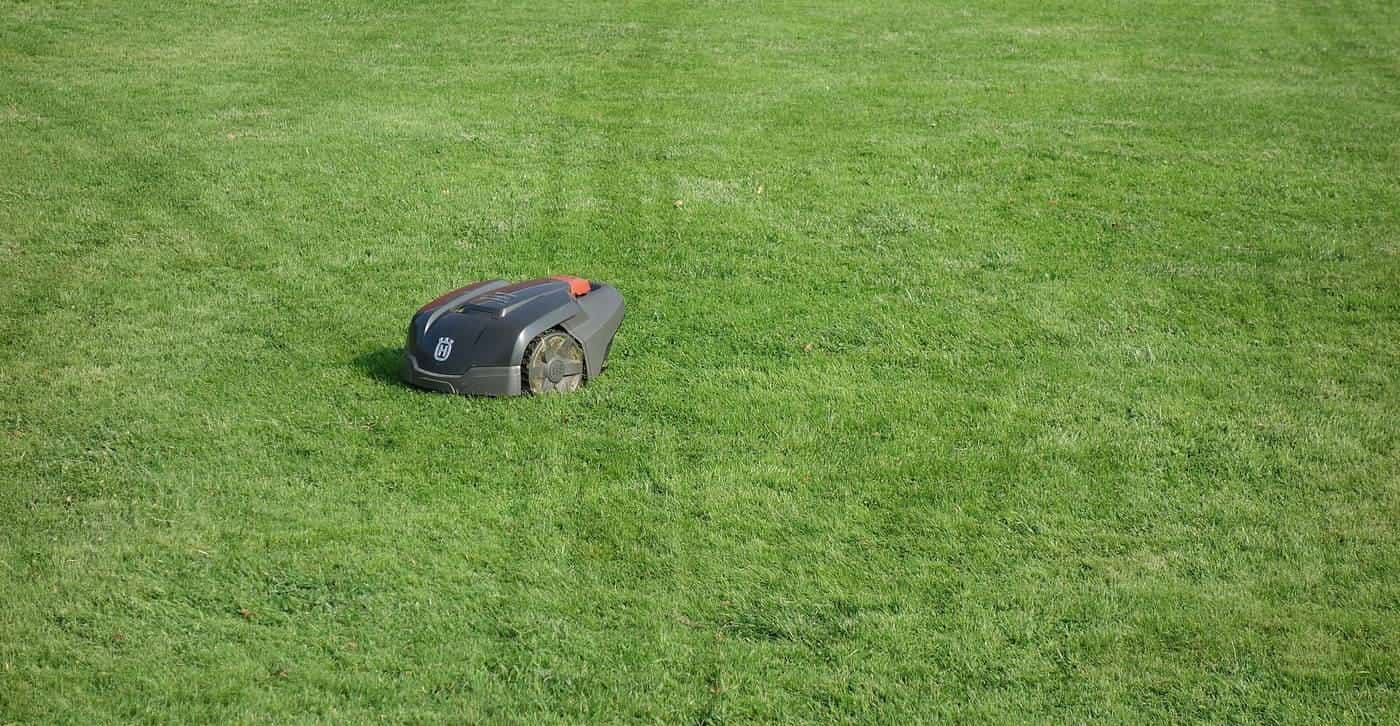
Robot mowers always mulch, because they cut tiny amounts often. See our robot mower guide.
The case for mulching
Fine clippings are mostly water and break down quickly, returning nutrients and organic matter to the soil. Left as a thin layer, they also shade the soil and slow evaporation, which helps in summer. Mulching saves you the time spent emptying the catcher and the cost or effort of disposing of clippings.
Mulching works best when:
- the grass is dry;
- you're mowing regularly, taking off only a little each time, in line with the one-third rule recommended by Turf Queensland;
- the blade is sharp;
- the lawn is healthy and not heavily thatched.
The case for catching
Catching gives a cleaner, more manicured finish, which matters if you want stripes or a bowling-green look. It also makes sense when:
- The grass is long. After a holiday or a growth spurt, there may be too many clippings to break down. Thick layers can smother the grass and turn into a slimy mat.
- The grass is wet. Townsville City Council's mowing fact sheet suggests using your catcher in the wet season, because too many clippings can cause waterlogging and stop the lawn getting enough air, while catching stops clumping and lets rain recharge the soil.
- Weeds are seeding. Catching can help stop weed seeds being spread across the lawn.
- Kids play on the lawn and you'd rather they didn't come inside covered in grass.
Clippings and thatch
Thatch is the layer of stems, runners and roots that builds up between the soil and the green leaves. A little is normal; a thick layer makes lawns spongy and can stop water reaching the soil. It's a common misconception that mulching causes thatch. Fine clippings break down quickly; thatch is mostly made of tougher plant parts. Vigorous grasses like kikuyu and couch tend to build thatch regardless of how clippings are handled. If thatch is a problem, it's usually dealt with by dethatching or scalping at the right time for your grass type. See our mowing heights guide.
Composting clippings
Grass clippings are a great addition to compost, rich in nitrogen. But a big load of fresh clippings dumped on a compost heap will compact, go slimy and smell. To compost them well:
- mix clippings with dry, carbon-rich materials such as dry leaves, shredded paper, straw or small twigs;
- add them in thin layers rather than one big pile;
- turn the heap regularly to keep air moving;
- keep it moist but not soggy.
If your lawn has been treated with a herbicide, read the product label before composting or mulching with the clippings, as some products persist and can harm garden plants.
Using clippings as garden mulch
A thin layer of dried clippings can be used as mulch on vegetable gardens and garden beds. Spread fresh clippings out to dry for a day or two first, then apply a thin layer. Thick layers of fresh clippings can mat into a water-repellent crust, heat up and smell. Keep mulch away from plant stems.
Green bins and FOGO
Many Australian councils provide a garden organics bin, or a combined food organics and garden organics (FOGO) bin, that accepts grass clippings. The material is usually processed into compost or soil conditioner. Check your council's website for what's accepted, how often bins are collected, and whether larger loads can be dropped off at a council facility.
Don't put clippings in the general waste bin if you have a green bin option, and never dump them in bushland, parks or vacant land, where they can smother native plants and spread weeds.
Keep clippings out of drains
After mowing, it's tempting to blow clippings off the footpath and into the gutter. Please don't. Gutters lead to stormwater drains, which in most Australian towns flow untreated into creeks, rivers, lakes and the ocean. As clippings break down, they release nutrients that can fuel algal growth and reduce oxygen in waterways.
Instead, sweep or blow clippings back onto the lawn, or collect them for the green bin or compost. Point the discharge chute away from paths and roads when mowing the nature strip.
Choosing a mower for your preferred method
If you mainly want to mulch, look for a mower with a mulching blade or mulching plug. If you prefer to catch, check the catcher size, how easy it is to remove and refit, and whether it has a fill indicator. A catcher that's too small means stopping often; a blocked or torn catcher reduces airflow and collection.
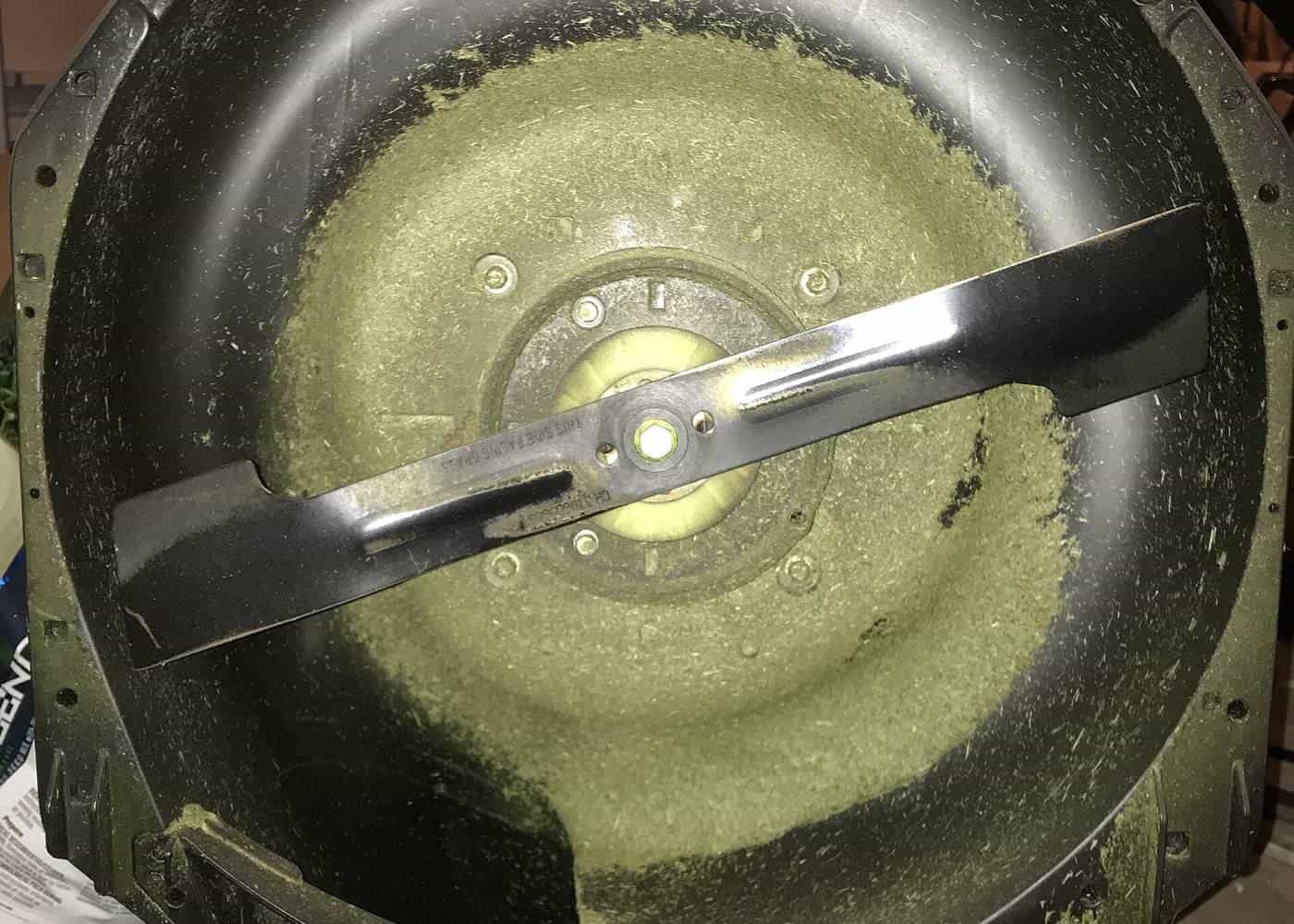
Whichever method you use, keep the underside of the deck clean and the blade sharp. Caked grass under the deck disrupts the airflow that lifts grass to the blade and carries clippings into the catcher. See sharpening mower blades.
A seasonal approach
| Situation | Suggested approach |
|---|---|
| Regular mowing in dry weather | Mulch |
| Hot, dry summer | Mulch to help keep moisture in |
| Wet season or wet grass | Catch |
| Long grass after a break | Catch, and bring the height down gradually |
| Weeds in seed | Catch |
| Formal or striped finish wanted | Catch |
Nature strips and shared areas
Clippings from the nature strip deserve extra care because they're right next to the footpath and gutter. Mow with the discharge chute pointing towards the lawn rather than the road, catch clippings if the strip is narrow, and sweep the path and kerb afterwards. In strata or community title properties, check the by-laws for any rules about who mows shared lawns and how clippings should be handled.
Key points
- Mulch fine clippings when mowing regularly in dry conditions; it returns nutrients and moisture.
- Catch when grass is long or wet, weeds are seeding or you want a tidy finish.
- Fine clippings don't cause thatch; thick clumps should be removed.
- Compost clippings mixed with dry materials, or use your council's green bin.
- Never blow clippings into gutters, where they wash into waterways.
Frequently asked questions
Is it better to catch or mulch clippings?
Both have their place. Mulching returns nutrients and moisture to the lawn and saves time. Catching gives a tidier finish and suits long or wet grass, as Townsville City Council suggests in the wet season.
Do clippings cause thatch?
Fine clippings from regular mowing break down quickly and aren't the main cause of thatch, which is mostly built up from stems and runners. Thick clumps from long grass are a different matter and should be removed.
Can I put grass clippings in the green bin?
In many council areas, yes. Food organics and garden organics (FOGO) or garden organics bins usually accept grass clippings. Check your council's rules.
Why shouldn't I blow clippings into the gutter?
Clippings in gutters wash into stormwater drains, which flow to creeks, rivers and the sea. As they break down, they add nutrients that can harm waterways. Sweep them back onto the lawn or into the bin.
Can I use clippings as garden mulch?
Yes, in thin layers, ideally after drying. Thick fresh layers can mat, smell and heat up. Avoid clippings from lawns recently treated with herbicide, following the product label.
Sources and further reading
Facts on this page were checked against these primary and official sources. Conditions change — confirm before you travel or buy.
- Lawn care – mowing fact sheet (PDF) — Townsville City Council
- Lawn care — Queensland Government
- Turning grass into lawn – mowing tips — Turf Queensland