For decades the choice of lawn mower in an Australian backyard was simple: a petrol rotary mower, pulled into life on a Saturday morning. Today the shelves are full of battery mowers that start with a button, weigh less and make far less noise. Petrol hasn't disappeared, though, and for some yards it's still the better tool. This guide compares the two honestly, so you can choose on the things that actually matter for your lawn rather than on marketing.
No fuel
Battery mowers
No oil, spark plug or air filter to service
More range
Petrol mowers
Refuel in seconds for big or rough blocks
8am
Earliest weekend start in NSW
For power garden tools, under the NSW noise regulation
The short answer
If you have a small to medium suburban lawn that you mow regularly, a quality battery mower will do the job, and you'll appreciate the easy starting, low noise and minimal maintenance. If you have a large block, grass that often gets long and thick, rough ground or no convenient place to charge, petrol still has the edge on sheer endurance. If your block is very large or sloping, it may be time to look beyond push mowers altogether: see our ride-on mower guide.
The rest of this guide explains why, so you can weigh up the trade-offs against your own yard.
How each type works
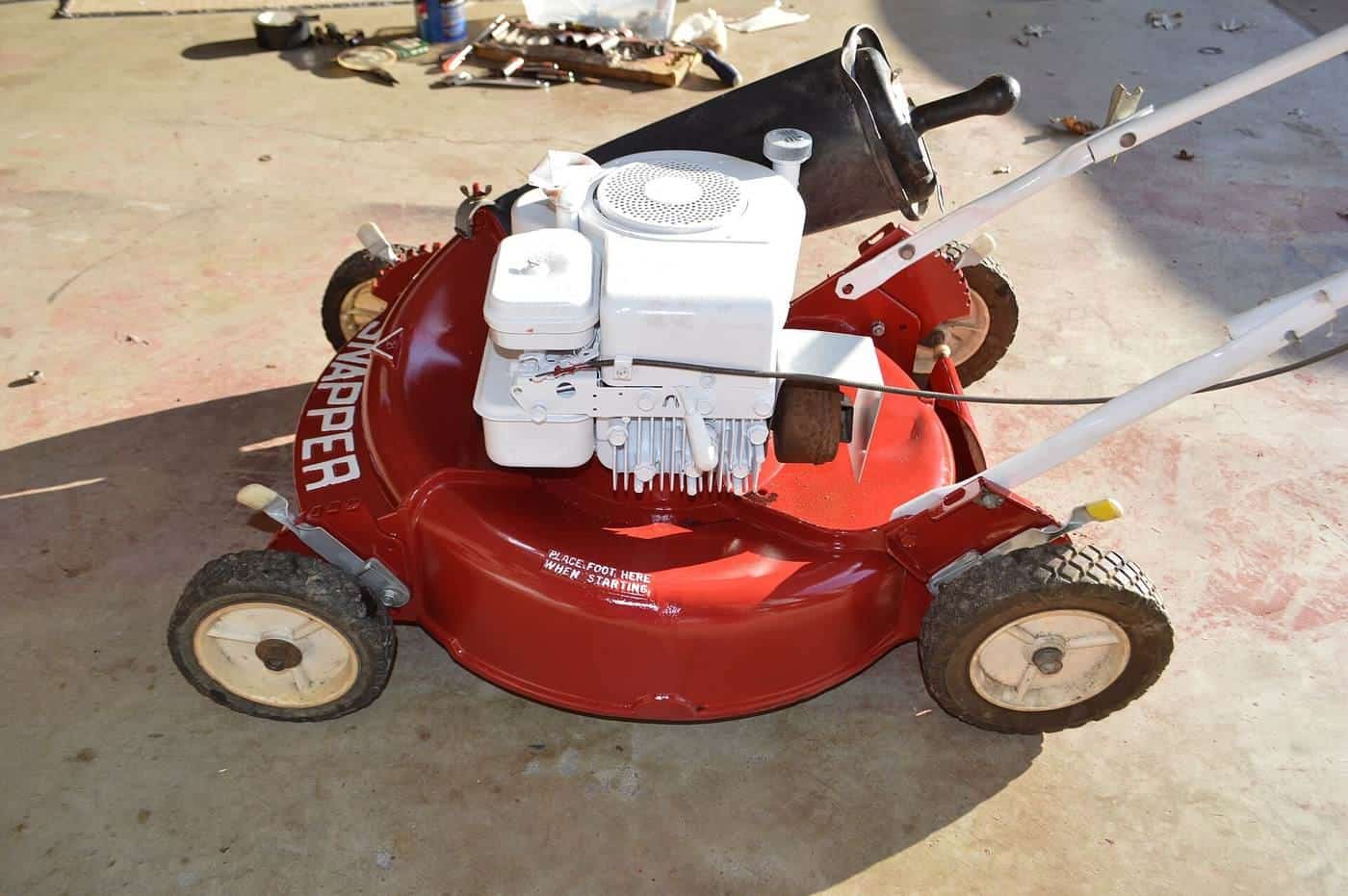
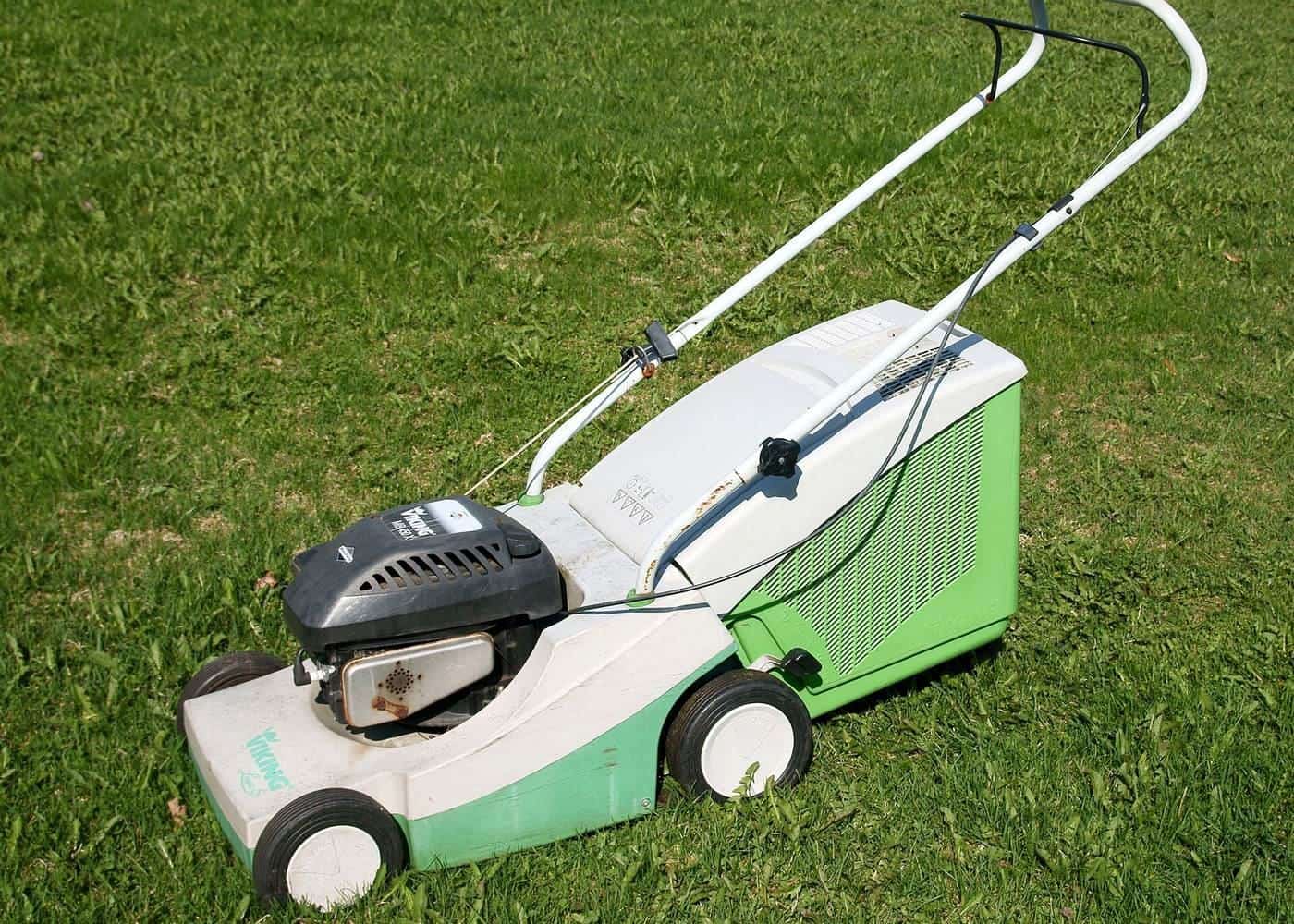
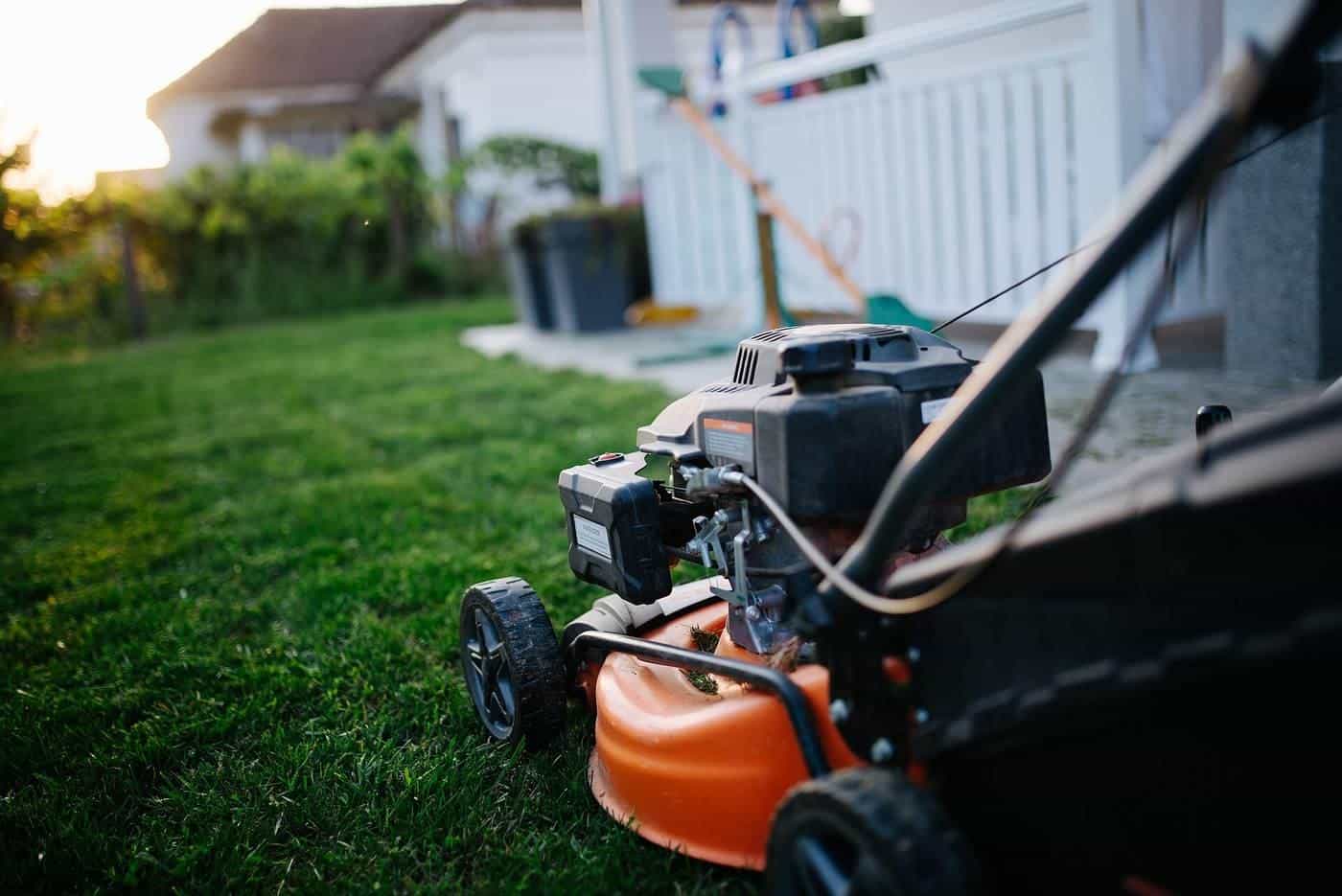
A petrol mower uses a small internal combustion engine, usually a four-stroke these days, to spin a steel blade under a deck. You add fuel and check the engine oil, and the engine needs regular servicing: oil changes, a clean air filter, a good spark plug and a sharp blade. The engine produces plenty of torque, so a petrol mower can usually keep cutting through thick, long or damp grass that would slow a lighter machine.
A battery mower uses a rechargeable lithium-ion battery pack to drive an electric motor that spins the blade. There's no fuel, no oil and no pull cord. You charge the battery between mows, slot it in and press a button. Many brands sell batteries that also fit their trimmers, blowers and hedge cutters, which can make a whole battery tool system attractive.
A corded electric mower is the third option. It plugs into a power point via a long extension lead. Corded mowers are usually light, inexpensive and cheap to run, but the cord limits your range and has to be kept clear of the blade at all times.
Power and cutting performance
Performance depends less on the label and more on the specific model. A cheap petrol mower with a blunt blade won't cut better than a well-made battery mower with a sharp one. Still, some general patterns hold:
- Long or thick grass. Petrol engines generally cope better when grass has got away from you, especially dense runners like kikuyu in a wet summer. Battery mowers can slow down and drain quickly in heavy grass.
- Wet grass. Any mower struggles with wet grass, which clumps and clogs the deck. Battery mowers often lose more run time in these conditions. It's usually best to wait until the lawn dries.
- Regular mowing. On a lawn mown every week or two, where you're only taking off a little each time, the difference narrows considerably.
The best way to keep any mower performing well is to follow the one-third rule, never removing more than a third of the leaf height in one mow. That's good for the grass, as Turf Queensland explains, and it's also much easier on the mower. Our mowing height guide explains the rule.
Run time and range
Petrol's great advantage is endurance. When the tank runs low, you top it up and keep going. A battery mower's run time depends on the battery's capacity (usually stated in amp-hours or watt-hours), the efficiency of the mower, the cutting height, the grass and the terrain. Quoted run times are typically achieved under favourable conditions, so treat them as a best case.
Ways to stretch battery range include:
- buying a higher-capacity battery or a second battery, so one charges while you use the other;
- mowing more often, so there's less grass to cut each time;
- raising the cutting height a notch;
- keeping the blade sharp and the underside of the deck clean;
- using the mower's eco or variable-speed mode, if it has one, on easy sections.
If your lawn takes more than one battery's worth of mowing and you don't want to wait for a recharge, factor the cost of a second battery into the comparison.
Noise and neighbours
Battery mowers are generally much quieter than petrol mowers, because there's no engine and no exhaust. The main sounds are the motor's whine and the blade cutting grass. That makes it easier to mow without disturbing people working from home, sleeping shift workers or the family next door.
Quieter doesn't mean exempt, though. In NSW, the Protection of the Environment Operations (Noise Control) Regulation restricts the use of power garden tools, including lawn mowers, at times when they can be heard inside a neighbour's home. According to the NSW EPA, those times are before 8am or after 8pm on weekends and public holidays, and before 7am or after 8pm on other days. Other states and territories have their own rules. Our guide to mower noise and mowing hours explains how to stay on the right side of them.
Weight, handling and storage
Battery mowers are often lighter than equivalent petrol models, and many have folding handles so they can be stored upright against a wall. That's a real advantage if you have to lift the mower up steps, carry it through a house to a courtyard or store it in a small shed or apartment garage.
Petrol mowers are heavier and usually have to be stored flat, because tipping them can let oil into places it shouldn't go. You also need somewhere safe to keep a fuel can, away from ignition sources and out of reach of children.
Maintenance compared
Maintenance is where the two diverge most.
| Task | Petrol mower | Battery mower |
|---|---|---|
| Engine oil changes | Yes, as per the manual | No |
| Spark plug | Check and replace periodically | No |
| Air filter | Clean or replace | No |
| Fuel | Buy, store safely and use fresh | No |
| Blade sharpening | Yes | Yes |
| Cleaning the deck | Yes | Yes |
| Battery care | Starter battery only on some models | Charge and store correctly |
A petrol mower that's serviced regularly can last many years. One that's neglected, left with stale fuel over winter or run with a dirty air filter, can become hard to start and unreliable. Our petrol mower servicing guide walks through the basics.
Battery mowers need less, but they're not maintenance-free. The blade still needs sharpening, grass still packs under the deck, and the battery needs looking after. See charging and storing mower batteries.
Safety considerations
Both types have a spinning steel blade capable of serious injury, and the basic safety rules are the same: clear the lawn first, wear enclosed shoes, keep children and pets inside, and stop the blade and remove the key, battery or spark plug lead before reaching under the deck. Our guide to mowing safely covers the details.
Each type also has its own specific risks:
- Petrol is flammable. Refuel outdoors with the engine off and cool, don't smoke, and store fuel in an approved container.
- Lithium-ion batteries can catch fire if damaged, faulty or charged incorrectly. Fire and Rescue NSW advises using the charger that came with the device or a compatible one, charging on a hard, non-flammable surface away from exits and living areas, and not charging overnight or while you're out. Stop using a battery that's damaged, swollen or overheating.
Running costs
We don't quote prices, because they vary widely between brands, retailers and over time. Instead, think about what you'll spend money on across the life of each mower:
- Petrol: fuel, engine oil, spark plugs, air filters, blades and occasional professional servicing.
- Battery: electricity for charging (usually modest), blades, and eventually replacement batteries. Battery packs wear with age and use, so a replacement can be a significant cost later on. Check the warranty on both the mower and the battery.
If you already own battery tools from one brand, a mower that shares the same batteries can lower the overall cost.
Which suits your yard?
Use this as a starting point:
| Your situation | Likely fit |
|---|---|
| Small courtyard or narrow side lawns | Battery or corded electric |
| Typical suburban lawn mown every week or two | Battery or petrol |
| Large block, long or thick grass, or infrequent mowing | Petrol, or consider a ride-on |
| Steps, tight access or very limited storage | Lighter battery mower with folding handle |
| Mowing early in the day near close neighbours | Battery, but still observe noise rules |
| No safe place to charge batteries | Petrol |
Testing before you buy
If you can, handle the mower in store. Check the handle height suits you, that the height adjustment is easy to use, and that the grass catcher is simple to empty and refit. For battery mowers, find out how long the battery takes to charge and whether the charger is included. For petrol mowers, ask how the mower starts and what servicing the warranty requires.
Look for clear instructions in plain English, a local service network, and available spare parts such as blades and catchers. A mower that's easy to get parts for will usually last longer than one that's cheaper up front but hard to repair.
A word on second-hand
Both types appear second-hand. A used petrol mower can be a good buy if it's been looked after; a used battery mower depends heavily on the condition of its battery. Our second-hand mower guide explains what to check before you hand over any money.
Key points
- Battery mowers suit small to medium lawns mown regularly: they're quiet, light and need little maintenance.
- Petrol mowers still lead on endurance and on long, thick or rough grass.
- Run time on a battery mower depends on capacity, grass and conditions; a second battery can help.
- Noise rules for power garden tools apply to both types.
- Charge lithium-ion batteries safely and store petrol in an approved container.
- Whatever you choose, a sharp blade and the one-third rule make mowing easier.
Frequently asked questions
Is a battery mower powerful enough for a normal suburban lawn?
For most small and medium suburban lawns that are mown regularly, a good battery mower is enough. Very large blocks, long wet grass and rough paddocks still favour petrol or a ride-on.
How long does a battery mower run?
It depends on the battery capacity, the mower, the grass and how long it is. Manufacturers quote run times under ideal conditions, so allow less for thick or wet grass and consider a second battery for bigger yards.
Are battery mowers quieter?
Generally yes. With no engine, the main noise is the blade and motor. That's kinder to neighbours, but noise rules for power garden tools in places such as NSW still apply whatever the power source.
Do battery mowers need servicing?
Much less than petrol. There's no oil, spark plug, fuel or air filter, but you still need to clean the deck, check and sharpen the blade, and look after the battery.
What about corded electric mowers?
Corded mowers are light and cheap to run, but the cord limits how far you can go and must be managed carefully to avoid running over it. They suit small, simple lawns close to a power point.
Sources and further reading
Facts on this page were checked against these primary and official sources. Conditions change — confirm before you travel or buy.
- Lithium-ion batteries – shop, charge and recycle safely — Fire and Rescue NSW
- Preventing neighbourhood noise — NSW Environment Protection Authority
- Lawn care — Queensland Government