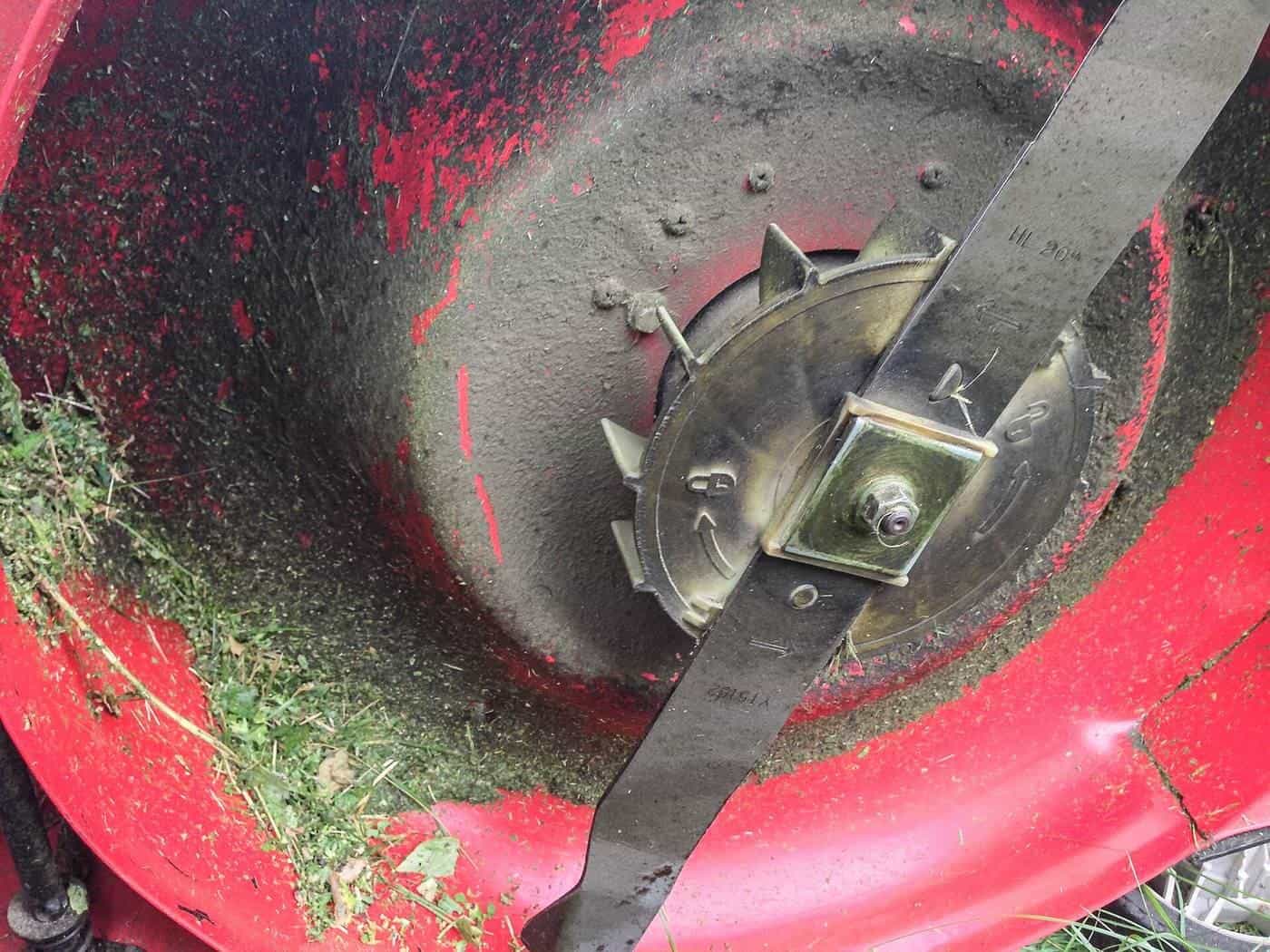
A lawn mower works in tough conditions: dust, grass sap, moisture, stones and the occasional hidden tree root. Give it a little care and it will reward you with years of easy starts and clean cuts. Neglect it and you'll be wrestling with a pull cord on a hot Saturday, wondering why the lawn looks chewed rather than cut. Just as important is how you use it. A mower's blade spins fast enough to throw stones and cause serious injuries, and ride-ons can roll over. This section covers the maintenance and safety habits that matter most.
Guides in this section
- Servicing a petrol lawn mower at home: oil, air filter, spark plug, fuel, deck and when to see a repairer.
- Sharpening and replacing mower blades: removing, sharpening, balancing and refitting a rotary blade.
- How to mow safely: clothing, clearing the lawn, children and pets, slopes, refuelling and blockages.
- Charging and storing mower batteries safely: chargers, where and when to charge, warning signs, winter storage and recycling.
The golden rule: disconnect before you touch
Before you reach anywhere near the blade, whether to clear a blockage, scrape the deck or change the blade, stop the engine or motor, wait for the blade to stop completely, and disconnect the power. On a petrol mower, pull the spark plug lead off the plug. On a battery mower, remove the battery and safety key. On a corded mower, unplug it. Turning the blade on a petrol mower can turn the engine over, so this step really matters.
Maintenance at a glance
| Job | Petrol | Battery | Why it matters |
|---|---|---|---|
| Oil change | Yes | No | Protects the engine |
| Air filter | Yes | No | Easy starting, full power |
| Spark plug | Yes | No | Reliable starting |
| Fresh fuel | Yes | No | Stale fuel causes hard starting |
| Sharp, balanced blade | Yes | Yes | Clean cut, less vibration |
| Clean deck | Yes | Yes | Airflow, catching, less rust |
| Battery care | Ride-on starter only | Yes | Safety and battery life |
| Check controls and guards | Yes | Yes | Safety |
Your manual is the final word on what to do and how often. It specifies the oil grade, spark plug type, blade part number and service intervals for your mower.
A sharp blade is a healthy lawn
The blade does the real work, and it's often neglected. A blunt blade tears grass, leaving ragged tips that brown off. The Queensland Government's lawn care advice puts it simply: check your blades, because a clean cut means the lawn loses less water. Sharpening isn't hard, but balancing the blade afterwards is essential to avoid vibration. Our blade guide explains how, and when to replace a blade instead.
Petrol mowers: the start-of-season service
Many home owners give their petrol mower a service at the start of the growing season. Changing the oil, cleaning or replacing the air filter, checking the spark plug, draining stale fuel and refilling with fresh fuel fix most starting problems. While you're at it, scrape out the deck and check the blade. Our servicing guide walks through each step, with a troubleshooting table and advice on recycling used oil.
Battery mowers: look after the battery
Battery mowers need far less maintenance, but the battery deserves respect. Fire and Rescue NSW advises buying batteries and chargers from reputable sources, using compatible chargers that comply with Australian standards, charging on hard, non-flammable surfaces away from living areas and exits, not charging overnight or while out, and never using damaged batteries. Batteries should never go in household bins. See our battery guide.
Safe mowing habits
Most mowing injuries are preventable. The habits that make the biggest difference:
- Walk the lawn first and remove sticks, stones, toys and hoses.
- Wear enclosed shoes, long pants and eye protection, plus hearing protection for loud mowers.
- Keep children and pets inside or well away while you mow.
- Avoid wet grass and slopes that feel unsafe.
- Never bypass safety controls or reach near the blade while it could move.
- Remove the key, battery or plug lead after mowing so children can't start the mower.
Product Safety Australia's ride-on guide adds specific advice for ride-ons, including never carrying passengers and that children under 16 shouldn't operate one. Our safety guide brings it all together.
Storing your mower
Between mows, store your mower somewhere dry, clean and secure, out of children's reach. Clean off grass first so it doesn't hold moisture against the deck. Store petrol mowers flat, and fuel in an approved container away from the house and ignition sources. Store batteries out of the mower, somewhere cool and dry, following the manual's advice on charge level for long-term storage.
When to call a professional
Home maintenance covers the routine jobs. Leave carburettor work, safety controls and brakes, suspected bent crankshafts, fuel leaks and internal engine problems to a qualified small-engine repairer. For battery mowers, contact the manufacturer or an authorised repairer about electrical faults or damaged batteries; don't try to open a battery pack.
Keep records
A simple service log, noting the date and what you did, helps you stay on schedule and is a plus if you ever sell. Our servicing guide includes a template you can copy. If you're buying second-hand, ask for service records: see our second-hand mower guide.
Guides in this section
Mower care
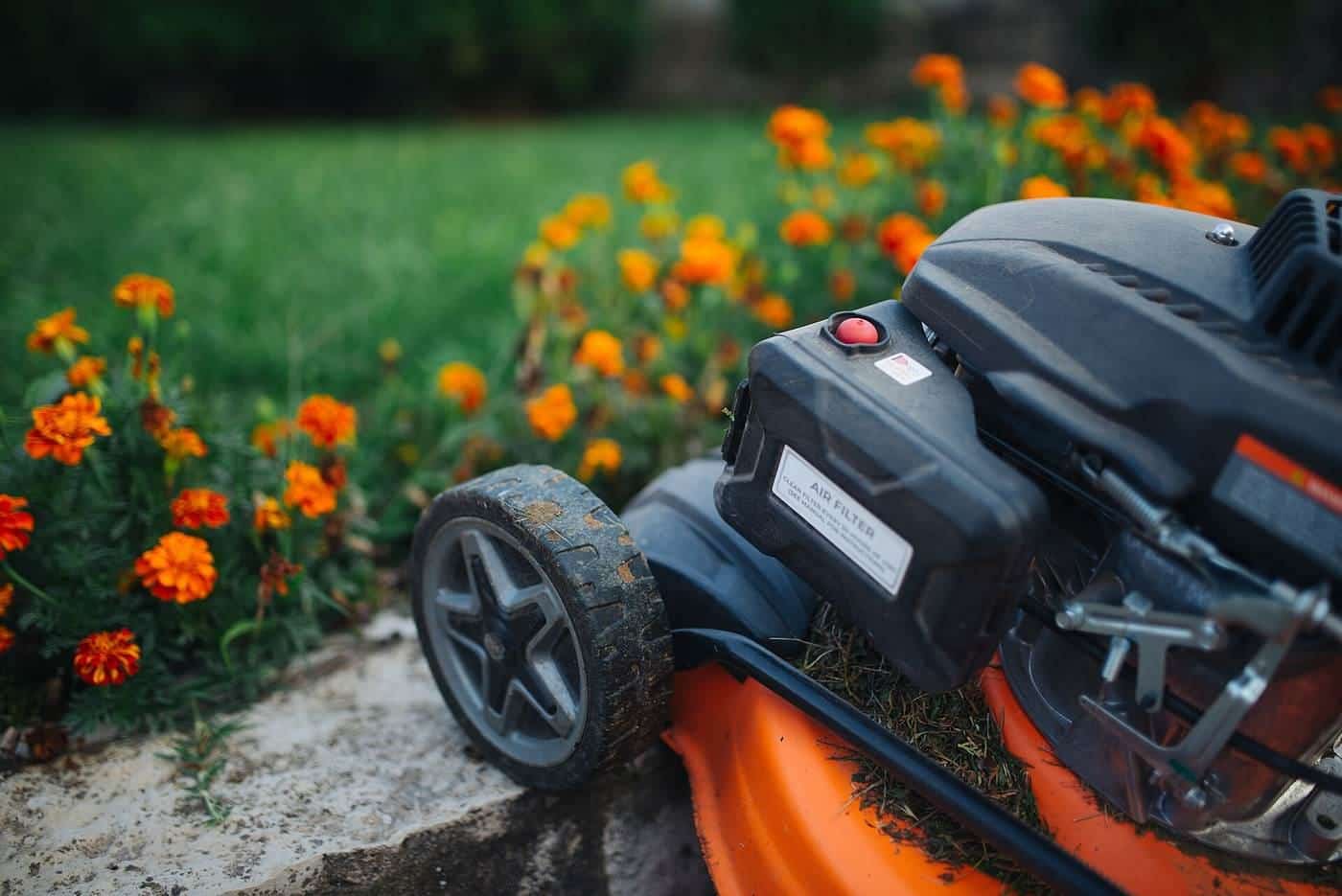
Servicing a petrol lawn mower at home
A step-by-step home service for a four-stroke petrol mower: oil change, air filter, spark plug, fuel, blade and deck, and when to see a repairer.
Read · 6 min
Mower care
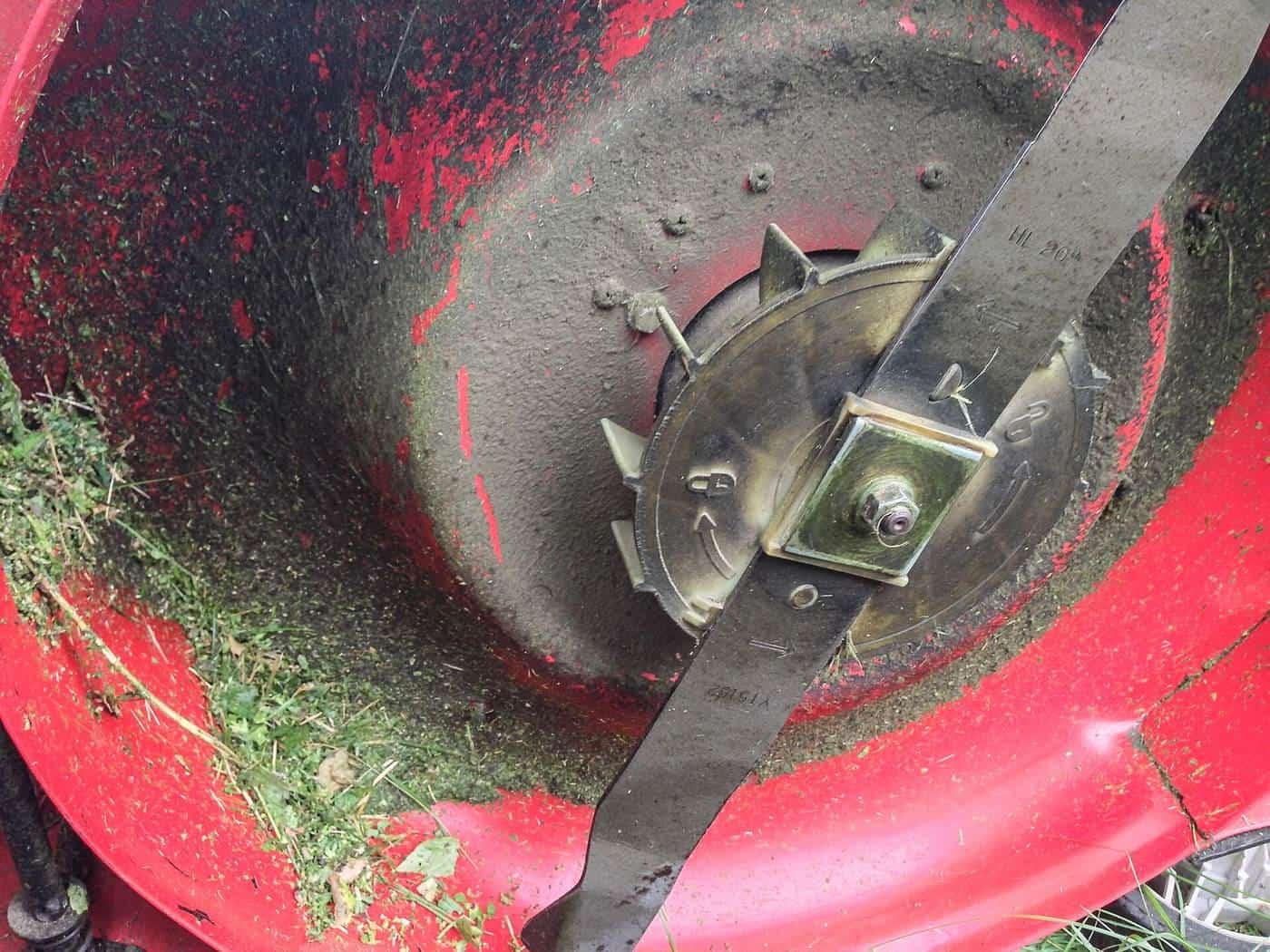
Sharpening and replacing mower blades
Why a sharp blade matters, how to remove, sharpen and balance a rotary mower blade safely, and when to replace it instead.
Read · 5 min
Mower care
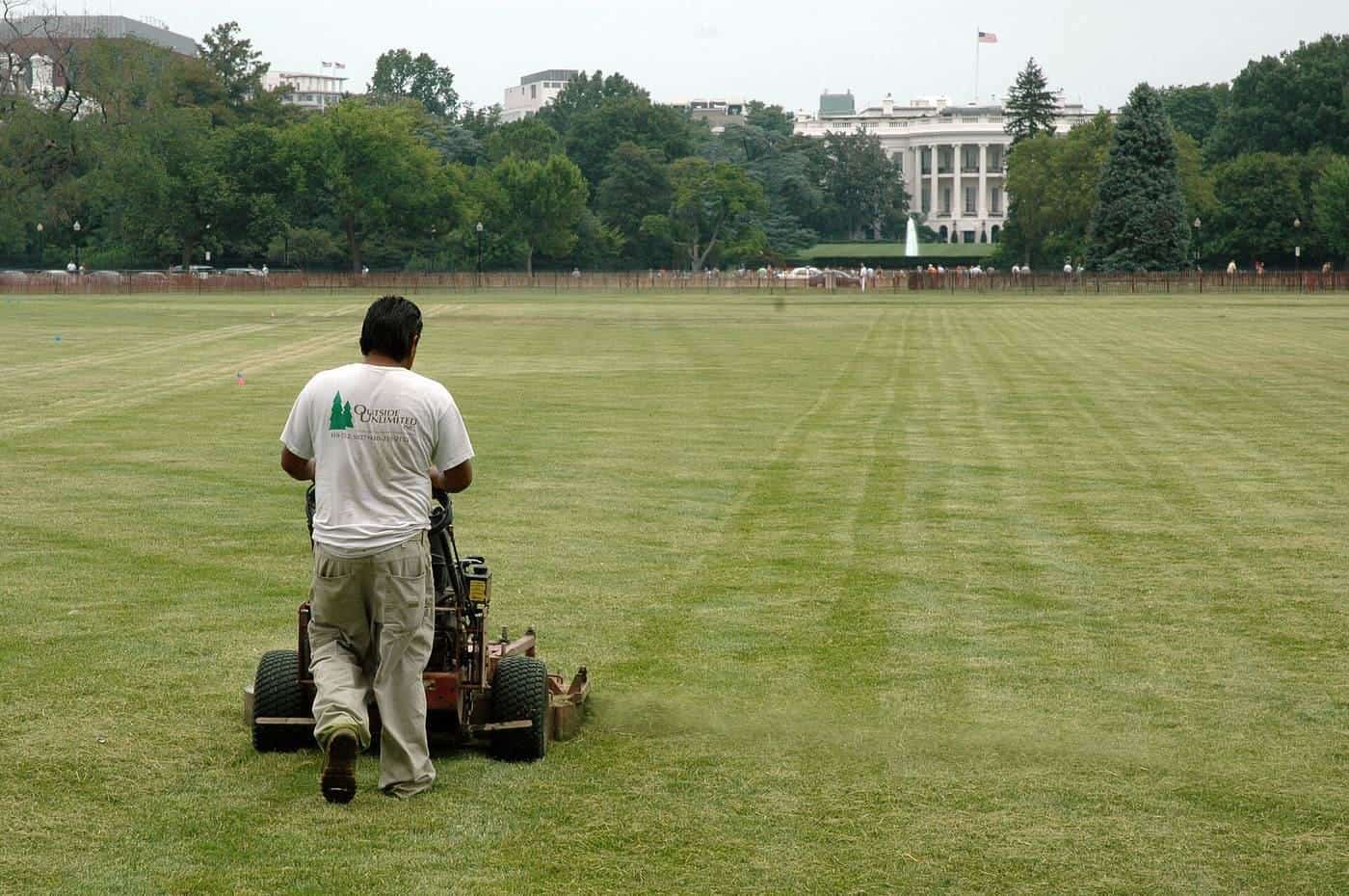
How to mow safely
Practical mower safety for walk-behind and ride-on mowers: clearing the lawn, protective gear, children and pets, slopes, refuelling and blades.
Read · 6 min
Mower care
Charging and storing mower batteries safely
How to charge, store and recycle lithium-ion lawn mower batteries safely, based on Fire and Rescue NSW guidance, plus off-season storage.
Read · 5 min
Frequently asked questions
What's the most important mower maintenance job?
For petrol mowers, regular oil changes, a clean air filter and fresh fuel. For all mowers, a sharp, balanced blade and a clean deck. Always disconnect the spark plug lead or remove the battery first.
How often should I sharpen the blade?
Check it at every service and whenever the cut looks ragged. Sandy soil and hitting sticks or stones dull blades faster.
Is it safe to charge a mower battery overnight?
Fire and Rescue NSW advises against charging batteries overnight or while you're out. Charge while you're home and awake, on a hard, non-flammable surface.
What should I wear to mow?
Sturdy enclosed shoes, long pants, eye protection and hearing protection for noisy mowers, plus sun protection.
Sources and further reading
Facts on this page were checked against these primary and official sources. Conditions change — confirm before you travel or buy.
- Ride-on lawn mowers guide — ACCC Product Safety Australia
- Lithium-ion batteries – shop, charge and recycle safely — Fire and Rescue NSW
- Lawn care — Queensland Government