Mowing the lawn is such a routine job that it's easy to forget a mower is a machine with a blade spinning fast enough to throw stones like bullets and cut through a shoe. Most mowing injuries are preventable with a few consistent habits. This guide brings together safety advice for walk-behind and ride-on mowers from Product Safety Australia, WorkSafe Victoria and Fire and Rescue NSW, along with common-sense practice.
Walk it first
Clear the lawn
Sticks and stones become projectiles
Blade stopped
Before you reach in
And spark plug lead or battery out
Kids inside
While mowing
Never as ride-on passengers
Read the manual
Every mower is different. The manual tells you how the controls work, what safety features the mower has, how to start and stop it, how to tip it for maintenance and what slopes it can handle. Read it before your first mow and whenever you're unsure.
Dress for the job
- Footwear: sturdy, enclosed shoes or boots with good grip. Never mow in thongs, sandals or bare feet.
- Long pants protect your legs from thrown debris.
- Eye protection: safety glasses help guard against grit and small stones.
- Hearing protection: petrol mowers, and especially ride-ons, can be loud enough to justify earmuffs or earplugs.
- Sun protection: a hat, sunscreen and long sleeves, as mowing often means time in the sun.
- Gloves when handling blades or clearing debris.
Avoid loose clothing, dangling cords and jewellery that could catch in moving parts.
Prepare the lawn
Walk the lawn before every mow and pick up anything the blade could hit or throw: sticks, stones, pine cones, bones, toys, garden hoses, wire and dog droppings. Note holes, stumps, sprinkler heads and other hazards. Rotary mowers can fling objects a long way, so this step protects you, the people nearby and your windows.
Keep children and pets away
Children are drawn to mowers, and they're at greatest risk of serious injury. Product Safety Australia advises keeping children well away from areas where ride-on mowers are being used, never letting them ride as passengers, never letting them operate a ride-on mower, and never leaving a ride-on running unattended. Children under 16 shouldn't operate a ride-on.
The same principles make sense for walk-behind mowers:
- Keep young children and pets inside, or securely away from the area, until you've finished.
- Stop the mower if anyone approaches.
- Remove the key, battery or spark plug lead after mowing so children can't start it.
- Store mowers, fuel and batteries out of children's reach.
Starting and operating
- Start the mower on flat ground, with your feet well clear of the deck.
- Keep both hands on the handle of a walk-behind mower, and use the controls as designed. Never tie down the blade control lever or bypass a safety switch.
- Walk, never run, and push forward where you can. Be very careful pulling a mower backwards, as you could pull it over your feet or trip.
- Don't mow when the grass is wet if you can avoid it.
- Keep the discharge chute pointed away from people, cars, windows and roads.
- Take breaks in hot weather, and drink water.
Slopes and uneven ground
Slopes increase the risk of slipping under a walk-behind mower and of rollover on a ride-on. The right technique depends on the mower, so follow your manual. Broadly:
- Avoid slopes that feel unsafe, and areas near drop-offs, retaining walls, ditches and water.
- Take extra care on wet grass, which is slippery.
- With ride-ons, WorkSafe Victoria advises against using them on steep slopes and uneven ground, and recommends a rollover protective structure and seatbelt where rollover is possible.
For steep banks, a line trimmer or replacing grass with groundcovers can be a safer solution.
Stopping and clearing blockages
Never put your hands or feet near the deck while the blade could move. To clear a blocked chute, empty the catcher or adjust the cutting height:
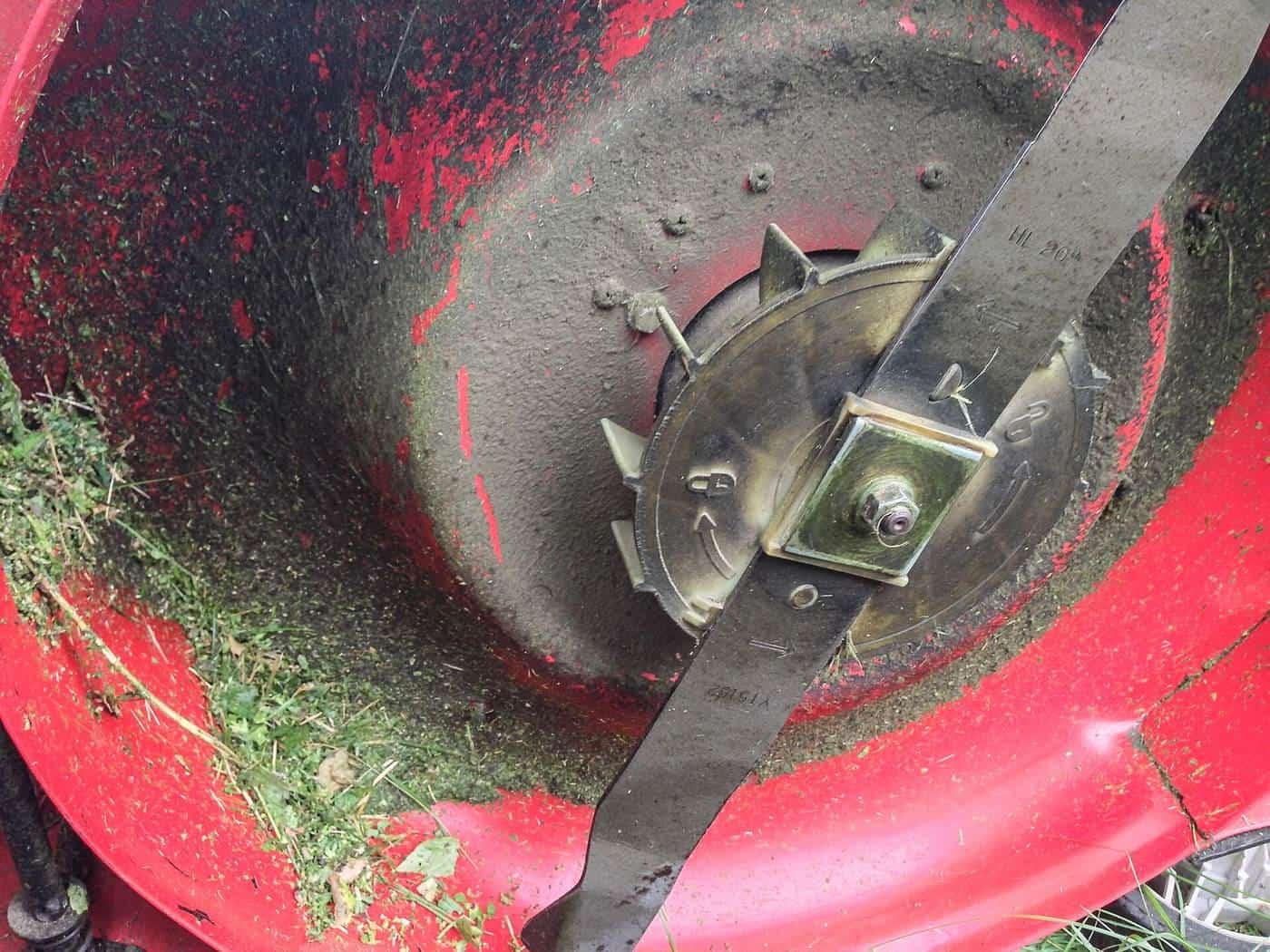
- Release the blade control and stop the engine or motor.
- Wait until the blade has stopped completely.
- Disconnect the spark plug lead on a petrol mower, remove the battery and key on a battery mower, or unplug a corded mower.
- Use a stick to clear blockages, not your hands.
On a ride-on, Product Safety Australia advises completely shutting down the blades before getting off, even for small tasks such as clearing things from the ground, and not overriding a seat safety switch.
Refuelling petrol mowers
- Refuel outdoors, with the engine stopped and cool.
- Don't smoke, and keep away from flames and sparks.
- Use an approved fuel container, and wipe up spills before starting.
- Move the mower away from the refuelling spot before starting.
- Store fuel away from the house and out of reach of children.
Battery mower safety
Battery mowers remove the fuel risk but bring lithium-ion battery safety into play. Fire and Rescue NSW advises:
- using the charger supplied or a compatible charger that meets Australian standards;
- charging on a hard, non-flammable surface, in a garage or shed away from living areas and exits where possible;
- not charging overnight or while you're out;
- not using batteries that are damaged, swollen or overheating;
- having working smoke alarms.
Our battery guide has more.
Corded mower safety
- Use an outdoor-rated extension lead in good condition, and plug into a power point protected by a safety switch (RCD).
- Start mowing near the power point and work away from it, flipping the cord over the mown section so you never mow over it.
- Never use a corded mower on wet grass or in the rain.
- Unplug before checking or clearing the mower.
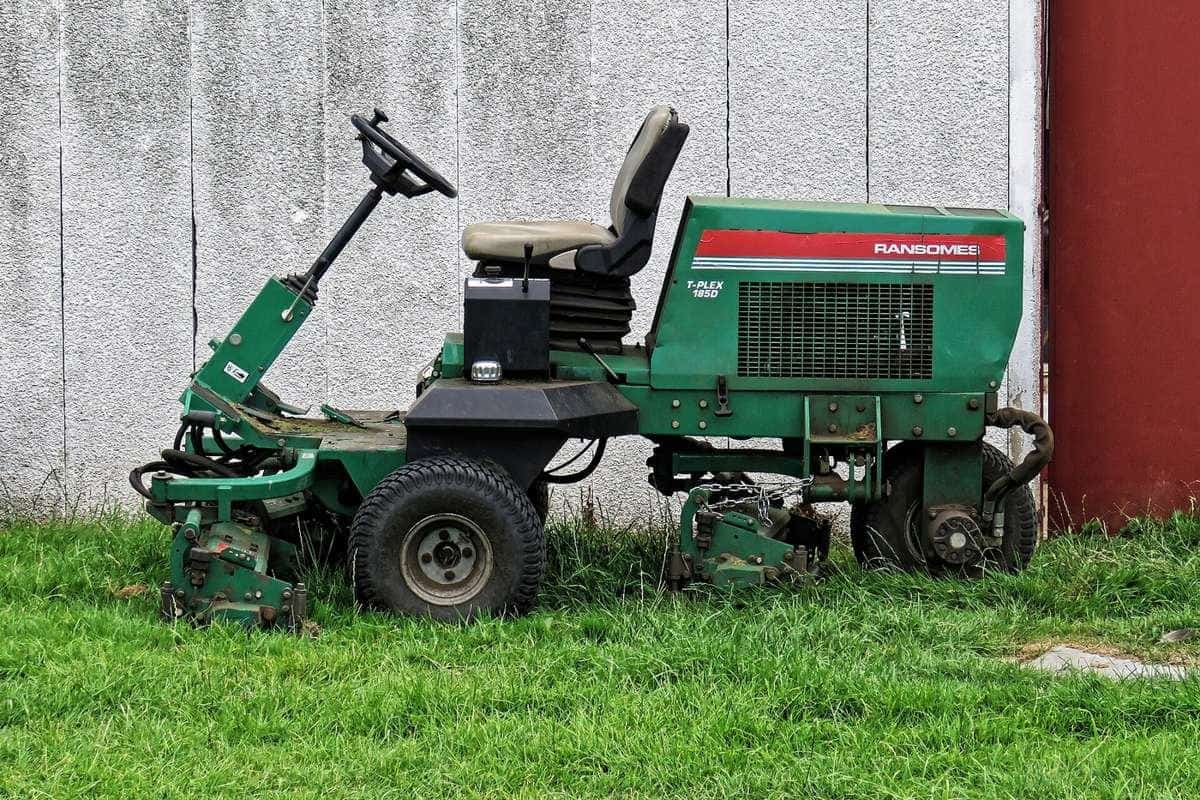
Ride-on habits
On top of everything above, ride-on mowers need:
- slow speeds, especially when turning;
- a look behind before reversing;
- seatbelt on whenever the rollover bar is up;
- no passengers, ever;
- the key removed after use.
See our ride-on guide for more detail.
Maintenance safety
Disconnect the spark plug lead or remove the battery before any maintenance, wear gloves when handling blades, and tip the mower only as the manual describes. Keep the mower in good condition: a loose blade, damaged guard or faulty control is a hazard. See servicing a petrol mower and sharpening mower blades.
Being a good neighbour
Point the discharge away from fences and footpaths, sweep clippings off paths and the road so they don't wash into drains, and observe local rules on noise. In NSW, power garden tools can't be used when they can be heard in a neighbour's home before 8am or after 8pm on weekends and public holidays, or before 7am or after 8pm on other days. See mower noise and mowing hours.
Safety checklist
| Before | During | After |
|---|---|---|
| Read the manual | Keep kids and pets away | Stop the blade and engine |
| Wear enclosed shoes, long pants, eye and ear protection | Walk, don't run | Remove key, battery or plug lead |
| Clear the lawn | Avoid wet grass and unsafe slopes | Clean the deck safely |
| Check guards and controls | Keep the chute pointed away from people | Store fuel and batteries safely |
Key points
- Clear the lawn and dress properly before every mow.
- Keep children and pets away, and never carry passengers on a ride-on.
- Stop the blade and disconnect power before reaching near it.
- Avoid wet grass, unsafe slopes and edges.
- Refuel and charge safely, and never bypass safety switches.
Frequently asked questions
What should I wear to mow?
Sturdy enclosed shoes with good grip, long pants, eye protection and hearing protection for noisy mowers. Add sun protection and gloves when handling blades.
Can kids help with mowing?
Keep young children inside or well away while you mow. The ACCC says children under 16 shouldn't operate ride-on mowers. Check the manual for any age guidance for walk-behind mowers and supervise closely.
Should I mow up and down or across a slope?
It depends on the mower. Advice for walk-behind and ride-on mowers differs, and manufacturers set their own guidance, so check your manual. Avoid slopes that feel unsafe altogether.
Is it safe to mow wet grass?
It's best avoided. Wet grass is slippery underfoot and on slopes, clogs the deck and increases the risk with ride-ons. WorkSafe Victoria lists wet grass as a ride-on rollover hazard.
How do I clear a blocked chute safely?
Stop the engine or motor, wait for the blade to stop, disconnect the spark plug lead or remove the battery, then clear it with a stick, never your hands near the blade.
Sources and further reading
Facts on this page were checked against these primary and official sources. Conditions change — confirm before you travel or buy.
- Ride-on lawn mowers guide — ACCC Product Safety Australia
- Preventing ride-on lawn mower rollover — WorkSafe Victoria
- Lithium-ion batteries – shop, charge and recycle safely — Fire and Rescue NSW